B2B Influencer Marketing Works: The Case Studies That Prove It
Adobe, SAP, GE, Okta, and Cisco show how B2B influencer marketing drives real pipeline — the campaigns, the numbers, and the lessons.
Browse our complete archive of creator economy coverage, analysis, and industry insights.

Adobe, SAP, GE, Okta, and Cisco show how B2B influencer marketing drives real pipeline — the campaigns, the numbers, and the lessons.

A practical framework for selecting influencers that convert: tier strategy, vetting hacks, the blended model, and the common mistakes that burn budget.

A clear-eyed comparison of AI influencers and human creators — the economics, the real brand campaigns, and the new disclosure laws reshaping both.

SafeBets paid presenting-sponsor money for IMCX 2026 to put itself in front of creator-economy decision-makers. The platform is pitching itself as the ethical alternative inside a category regulators increasingly treat as disguised gambling.
New York's S.8420-A becomes the first US law to require advertisers to disclose AI-generated humans in ads. It takes effect June 9, 2026 — six days from now — and brands running paid media don't have months to prepare. They have days.

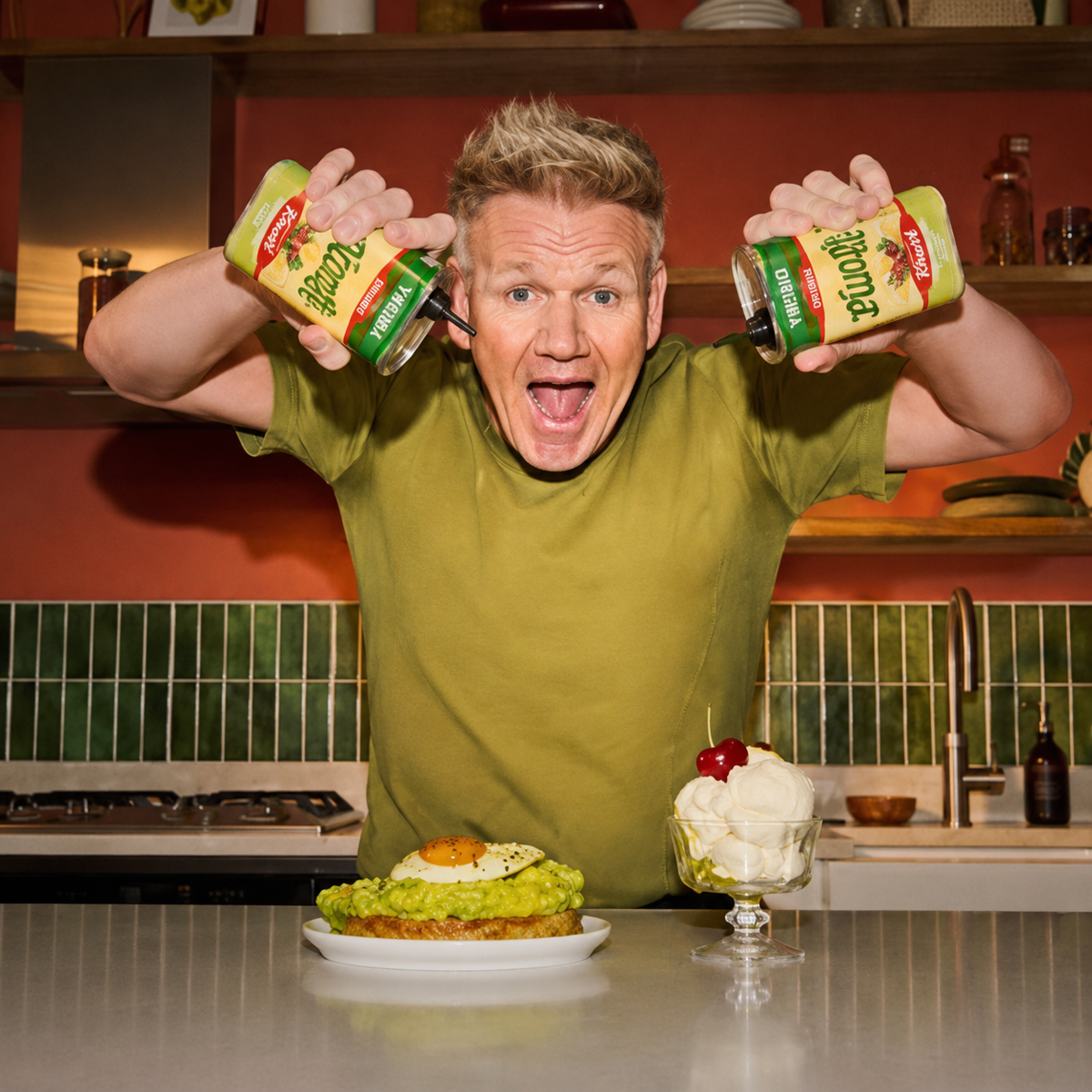
The Hell's Kitchen host's first packaged-goods launch is a seven-SKU premium olive oil line built with the Soho House wine team — and a case study in why the smartest celebrity brands no longer carry the celebrity's name.

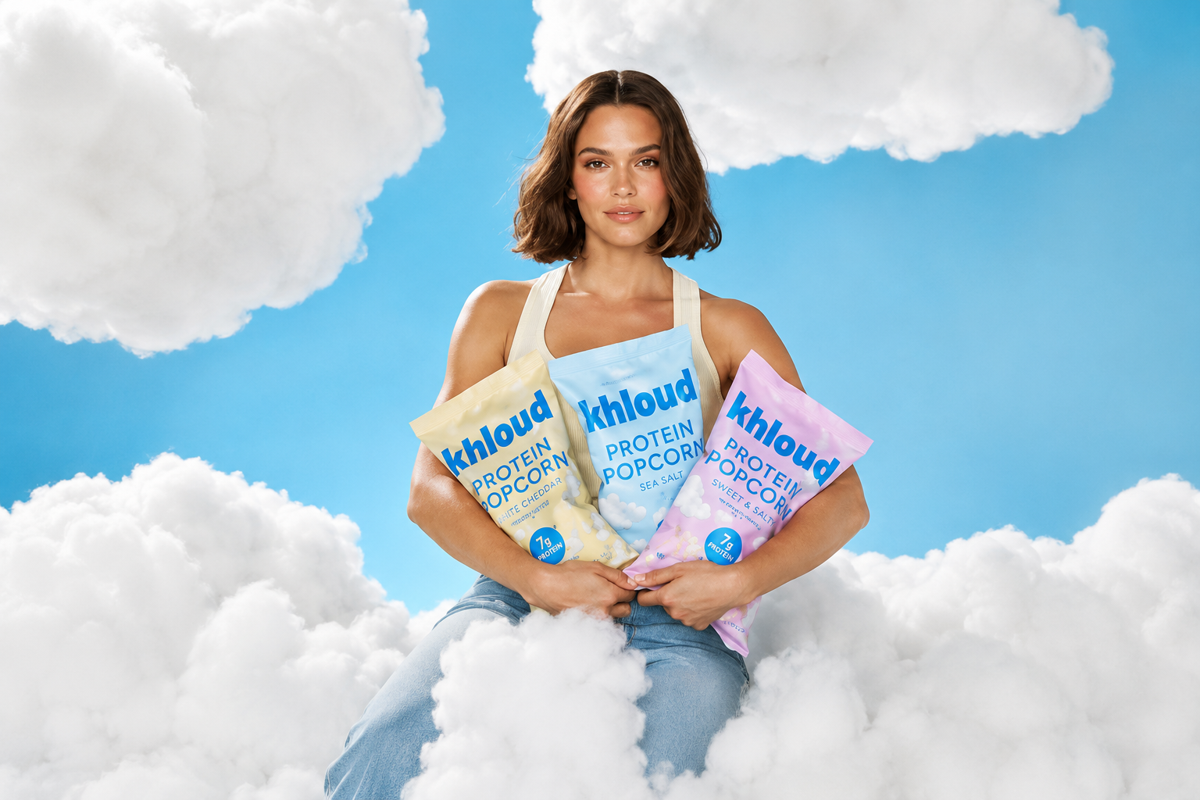
Khloé Kardashian's protein snack brand pulled a $15M round led by K5 Global with Serena Ventures, WME, Shrug Capital, and Springdale Ventures — and walked into Target, Walmart, and Starbucks in roughly a year.
The Sommer Ray-co-founded ingestible beauty brand has been acquired by Healthy Extracts in a deal that values the brand around $20M — with a 4,400-location CVS rollout already on the calendar.

When the FTC sent its Western Region Director, Maricela Segura, to walk creators and brands through influencer disclosure rules at IMCX in Los Angeles, the room got quiet. The rules haven't moved much since. The enforcement has.
Misclassification arguments are migrating from rideshare to platforms — and the legal answer determines whether the creator economy is a labor market or a marketplace.

After three years of Spotter, Jellysmack, and Creative Juice buying creator catalogs, the next step is asset-backed securitization — and that changes how every creator gets valued.
Procurement teams at major advertisers are now running parallel line items for virtual influencers — and the AI persona quote is becoming the negotiating floor against human creator rates.

Meta is reportedly exploring stablecoin-based payouts for Instagram and Facebook creators. The story isn't about crypto — it's about how the global creator economy's payment infrastructure is about to be rebuilt.

Syracuse University announced a Creator Economy minor for fall 2026, jointly led by the Newhouse and Whitman schools. It's the first elite-university credentialing signal — and once one elite university makes the call, the rest follow within 24 months.

The latest valuation marker for the creator economy is impressive on its own, but the more important shift is what's beneath the headline. The category is professionalizing, consolidating, and earning institutional respect for the first time.

The creator-tooling platform's largest-ever creator-backed round, anchored by Steven Bartlett and Gary Vaynerchuk, signals a maturation in how creator capital is being deployed. The category is no longer a sideshow.

The most significant pricing shift in influencer marketing right now is happening quietly, between brand-side measurement teams and the creators who can answer their questions. Here's what's driving it and what it means for both sides.

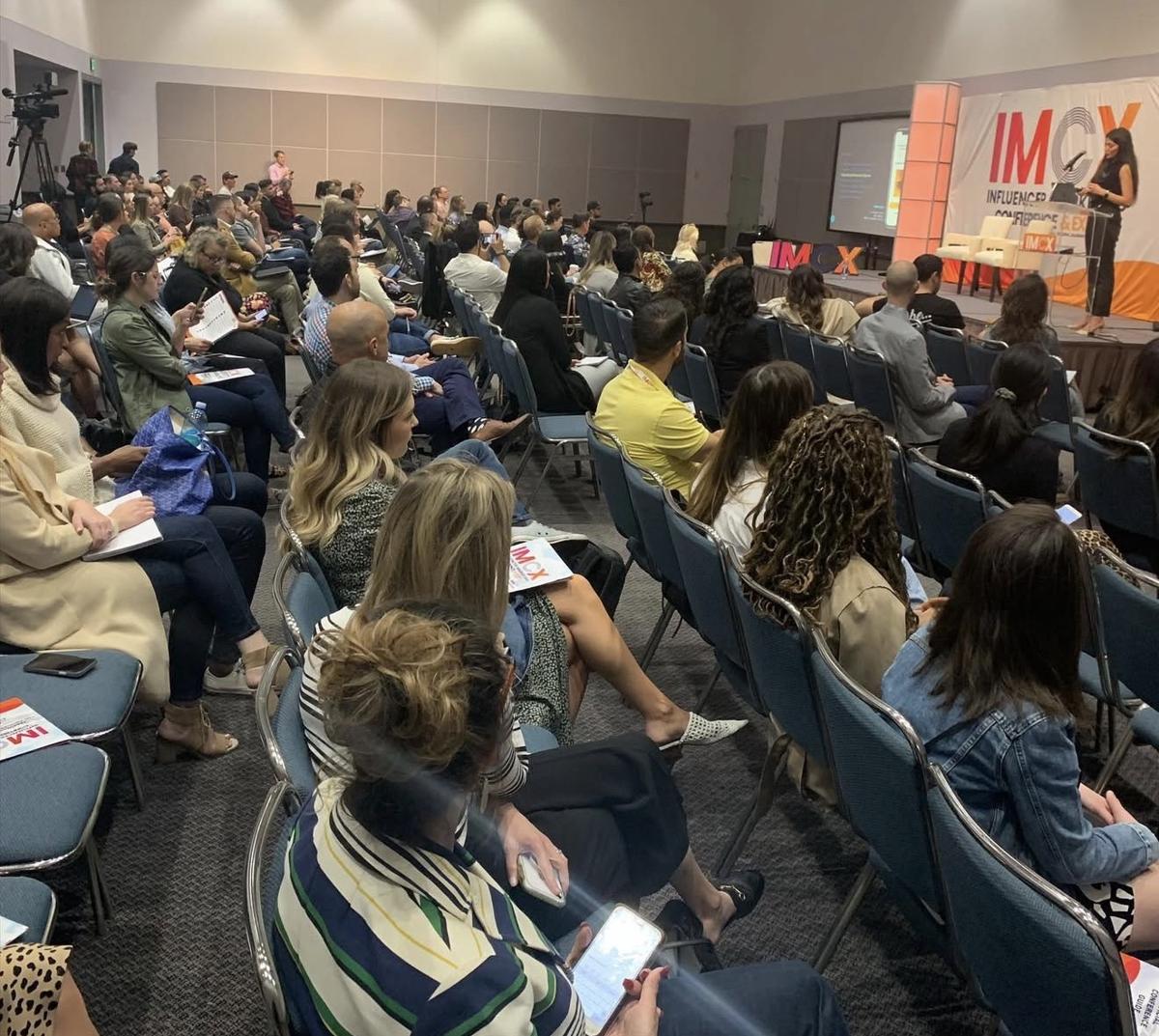
After several years of virtual editions, the Influencer Marketing Conference & Expo is coming back to Los Angeles this October. With more than 8,000 attendees across previous live and virtual editions, IMCX is one of the longest-running gatherings in the creator economy — and the 2026 edition marks a deliberate return to in-person programming.

Three high-profile creator-economy acquisitions in early 2026 mark a phase change. The independent creator-economy startup era is closing. The strategic absorption phase is starting.

The Khosla-led Series A for Nuseir Yassin's AI platform isn't just about one creator's company. It's a thesis bet that AI-enabled solo entrepreneurs are the next wave — and the creator economy has arrived at a structural inflection.

The new Quips feature drops Patreon directly into the social-platform wars. The economics behind the move signal a broader consolidation: every creator platform is becoming every other creator platform.

Elevator Studio's million-dollar marketing program signals a fundamental shift in how AI brands approach visibility and creator-led growth. Here's what it means for the industry.

The definitive reference on creator monetization, platform economics, AI disruption, influencer fraud, regulation, and the infrastructure reshaping digital media. A data-driven analysis for creators, brands, platforms, regulators, and investors.

The U.S. Creator Certification Program is betting that voluntary compliance training can outrun the FTC. Whether creators actually sign up will determine if self-regulation has a future in influencer marketing.

From viral stunts to snack empires and Amazon deals, here's who made the most money on YouTube this year—and what their earnings reveal about where the creator economy is headed.

Digital courses have become the highest-margin revenue stream in the creator economy. Here's why education products are exploding—and how creators are building million-dollar course businesses.

The single-platform creator is dying. Here's how successful creators are building resilient, diversified businesses across multiple channels—and why it's become non-negotiable.

New research reveals a mental health crisis among content creators. Here's what's driving the burnout—and what platforms, brands, and creators themselves can do about it.

How a leaked influencer agreement reveals the hidden risks of big-money brand partnerships—and what you need to know before signing your next deal.

After years of uncertainty, executive orders, and threatened bans, TikTok's US future is finally settled. Here's what the new ownership structure means for the creator economy.

Faceless YouTube channels and TikTok accounts now make up 38% of new creator monetization ventures. What was once considered a quirky alternative has evolved into a mainstream, scalable business opportunity.

In less than a week, a social media app most people had never heard of shot from 150,000 users to over 1 million. For creators, the implications are significant.

The creator economy just witnessed its most significant transaction to date. An analysis of what Khaby Lame's unprecedented deal means for the future of digital creators everywhere.

Podcast creators report record earnings through balanced revenue mix: 42% advertising, 28% subscriptions, 18% live events, and 12% merchandise as multi-platform distribution drives growth.

Brands shift major marketing spend to creator partnerships as traditional media and paid social deliver diminishing returns, while improved attribution and always-on relationships drive measurable ROI.

Institutional capital floods creator economy infrastructure as investors shift focus from individual talent to platforms, analytics tools, and commerce enablement that deliver systematic monetization and defensible enterprise value.

Updated requirements mandate clear disclosure of all material connections including payments, free products, affiliate links, ambassadorships, gifts, and investments across all platforms and content formats.

X unveils revamped creator monetization with up to $1 million in monthly rewards for top content, new article monetization features, and enhanced revenue sharing as platform competition intensifies.

Influencer marketing is moving from experimental spend to a core budget line—and the shift is permanent.

The real question behind AI influencers is not replacement—it is whether automation substitutes for influence or amplifies it.

Why ownership—not sponsorships—represents the dominant value capture mechanism in the modern creator economy.

New data shows podcast creators earning more than ever through advertising, subscriptions, live events, and merchandise as the medium matures.

Coalition of platforms, agencies, and advocacy groups announces comprehensive support program addressing the psychological toll of content creation.

Meta expands monetization options with customizable subscription tiers, exclusive content tools, and improved creator-subscriber analytics.

From analytics platforms to collaboration networks, discover the infrastructure enabling creator success.

Updated rate cards and negotiation tactics as brands increase creator marketing budgets by 40% year-over-year.

Social commerce reaches inflection point as creators become the new QVC hosts for Gen Z shoppers.

Growing movement seeks platform accountability, fair pay structures, and collective bargaining power for digital creators.

As algorithm changes roil social platforms, creators find stability and stronger audience relationships through owned channels.

Platform increases creator payouts as short-form video competition intensifies across social media landscape.

From script generation to video editing, artificial intelligence is transforming how creators produce and distribute content.

The creator economy has matured from experimental subculture into an investable asset class. Here is what is driving the capital shift.

New generation of production facilities designed specifically for short-form content opens across major cities.

Professional network invests heavily in B2B creators, offering funding, mentorship, and enhanced monetization tools.

Snap Inc. unveils ambitious creator development program featuring expert-led training, monetization workshops, and brand partnership strategies at the world's largest creator economy gathering.

Updated regulations, enforcement actions, and best practices for sponsored content disclosure as regulators intensify scrutiny of influencer marketing.

Virtual influencers powered by artificial intelligence are securing major brand deals and amassing millions of followers. What does this mean for human creators?

As the creator economy matures, diversified revenue streams and direct-to-consumer models are replacing dependence on traditional sponsorships and platform payouts.