The State of the Creator Economy (2026)
The definitive reference on creator monetization, platform economics, AI disruption, influencer fraud, regulation, and the infrastructure reshaping digital media.
The creator economy is no longer an emerging trend. It is a mature, complex, and increasingly regulated sector of the global digital economy. What began as a handful of YouTubers monetizing attention has evolved into a multi-layered ecosystem of platforms, infrastructure providers, financial instruments, and regulatory frameworks that touches virtually every corner of digital commerce and media.
This report examines the state of the creator economy as it stands in 2026. It is written for creators, brands, platform operators, regulators, and investors who need a clear, grounded assessment of where things are, how they got here, and where they are heading. It draws on available industry data, regulatory filings, platform disclosures, and direct observation of market dynamics.
The hype cycle has passed. What remains is infrastructure, consolidation, and the hard work of building durable businesses around digital content and influence. The question is no longer whether the creator economy is real. The question is whether its participants can build the institutions, standards, and practices necessary to sustain it.
Executive Summary
The creator economy has entered a phase of institutional maturity. The gold rush narrative has given way to structural reality. The following findings represent the core conclusions of this report:
- The creator economy ecosystem, including platforms, tools, agencies, and creator income, is estimated to represent between $250 billion and $480 billion in annual economic activity globally. The wide range reflects inconsistent measurement standards across the industry and the absence of a universally accepted taxonomy for what counts as creator economy activity.
- Platform revenue-sharing remains the primary income source for most creators, but the terms remain volatile and opaque. No major platform has committed to permanent, transparent creator compensation frameworks. Revenue-share percentages, eligibility requirements, and payment calculations change frequently and often without advance notice.
- AI is accelerating content production and lowering barriers to entry, but it disproportionately benefits established creators with existing audiences and distribution advantages. For new entrants, AI has simultaneously made it easier to create content and harder to stand out.
- Influencer fraud continues to erode advertiser trust, with estimated fraud rates ranging from 15 to 30 percent of total influencer marketing spend depending on platform and vertical. Despite improvements in detection technology, the economic incentives for fraud remain strong.
- FTC enforcement of disclosure requirements has intensified significantly since 2024, with more than 60 formal actions taken against creators and brands in the past 18 months. The agency has signaled that enforcement will continue to accelerate.
- Measurement and attribution remain the single largest unresolved challenge in influencer marketing. Most brands still rely on vanity metrics rather than verified business outcomes, and the tools to bridge this gap remain expensive and inaccessible to most market participants.
- Venture capital and private equity interest has shifted from individual creator bets to infrastructure and platform investments, reflecting a broader maturation of the sector. Total disclosed investment in creator economy companies exceeded $5 billion in 2025, but the composition has changed dramatically.
- Education gaps among both creators and brands continue to create inefficiencies, misaligned expectations, and compliance risks across the ecosystem. Professional development infrastructure is growing but remains fragmented and uneven in quality.
Creator Economy at a Glance (2026)
$150B–$250B
Estimated Market Size
Global, 2026
12%–18%
Creators Earning
Meaningful income
20%–30%
Brand Budgets
Allocated to creator marketing
Ranges shown are directional estimates; methodology varies by source.
Event Partner
Influencer Marketing Conference & Expo
Join brands, agencies, platforms & creators in Los Angeles.
What Is the Creator Economy?
The creator economy refers to the ecosystem of individuals, platforms, tools, and services that enable people to earn income by creating and distributing digital content. This includes video creators, writers, podcasters, visual artists, musicians, educators, and anyone who monetizes attention, expertise, or community through digital channels.
The term has become ubiquitous, but its meaning has been stretched to the point of near-uselessness in some contexts. Precision matters. The creator economy is not synonymous with social media, digital marketing, or the internet itself. It is a specific subset of economic activity centered on individual creators as the primary unit of production.
It is important to distinguish between several overlapping but distinct categories within this ecosystem.
Creators vs. Influencers
A creator is anyone who produces original digital content. An influencer is a subset of creators whose primary economic value derives from their ability to affect the purchasing decisions or opinions of their audience. All influencers are creators, but not all creators are influencers. A software developer who builds open-source tools and earns through sponsorships is a creator. A fashion personality who promotes brands to their followers is an influencer.
The distinction matters because the economics, regulatory requirements, and business models differ significantly between these categories. Influencer marketing is a subset of the creator economy, not the whole of it. When industry reports conflate the two, they distort the picture of both.
Creators vs. Publishers vs. Digital Entrepreneurs
The line between creators, publishers, and digital entrepreneurs has blurred considerably. Many creators now operate what are effectively media companies, with employees, revenue diversification, and operational complexity that rivals traditional small businesses. Some have built subscription publications that function like digital magazines. Others run e-commerce operations, course businesses, or consulting practices alongside their content.
Publishers differ from individual creators in that their content operations are not dependent on a single personality. A creator-turned-publisher has built something that can operate without their daily involvement. This transition is rare but increasingly aspirational among professional creators.
Digital entrepreneurs may leverage creator skills and platforms but are primarily building businesses that happen to use content as a customer acquisition channel rather than as the core product. The distinction matters because it affects how we measure the economy, how policy applies, and how support systems should be designed.
The Creator Economy Stack
The creator economy can be understood as a layered stack, similar to how technology industries are often described. At the bottom layer are the platforms that provide distribution and audience access: YouTube, TikTok, Instagram, X, Snapchat, LinkedIn, Twitch, and others. Above that sits the infrastructure layer: the tools, services, and software that creators use to produce, manage, and monetize their work. This includes editing software, analytics tools, link-in-bio services, email platforms, payment processors, and more.
The next layer comprises the intermediaries: talent agencies, management companies, MCNs (multi-channel networks), and marketplaces that connect creators with brands and opportunities. Above that is the brand and advertiser layer, which provides the majority of revenue flowing into the ecosystem through sponsorships, partnerships, and performance marketing.
At the top sits the capital layer: the venture capital firms, private equity funds, and financial institutions that invest in creator businesses and infrastructure companies. Understanding this stack is essential for understanding where value is created, captured, and distributed.
Why the Term Has Been Misused
The phrase creator economy has been applied so broadly that it risks losing meaning. At various points it has been used to describe everything from a teenager posting on TikTok to a billion-dollar media conglomerate. Marketing technology companies, social media management tools, and even customer relationship management platforms have claimed to be part of the creator economy to capitalize on investor interest.
For the purposes of this report, we define the creator economy as the economic activity generated by individuals whose primary professional identity involves creating and distributing digital content, along with the platforms, tools, and services that support them.
This definition excludes traditional media companies, legacy publishers operating digital channels, and enterprise software companies that serve multiple industries beyond creators. It also excludes casual content creation that generates no income and is not intended to, though we acknowledge that today's hobbyist may be tomorrow's professional.
The Creator Economy Stack
Creators
Platforms
Tools & Infrastructure
Brands & Agencies
Capital & Institutions
Market Size and Growth: From Hype to Infrastructure
Estimates of the creator economy market size vary dramatically depending on what is included in the calculation. Some analysts count only direct creator income. Others include platform advertising revenue, SaaS tools, agency fees, brand spending on influencer campaigns, and adjacent services like creator-focused banking and insurance.
The Range Problem
As of early 2026, credible estimates of the total creator economy range from $250 billion to $480 billion globally. This range is not a sign of uncertainty about the sector itself but rather reflects the absence of standardized measurement frameworks. The creator economy does not have an equivalent of the Bureau of Labor Statistics or a universally accepted industry classification system.
The lower estimates tend to focus on direct creator earnings and influencer marketing spend. The higher figures include platform advertising revenue attributable to creator content, the revenue of infrastructure and tools companies, agency and management fees, and adjacent services. Neither approach is wrong; they simply measure different things.
What is clear is that the growth rate has moderated. The explosive expansion of 2020 through 2023, driven by pandemic-era digital adoption, has given way to steadier, infrastructure-driven growth in the range of 10 to 15 percent annually. This is still robust growth by any standard, but it is fundamentally different from the triple-digit expansion rates that characterized the boom period.
Where the Money Actually Sits
The most important structural insight about the creator economy is that most of the economic value sits around creators, not with most creators. Platforms, advertising networks, SaaS tools, talent management agencies, and financial service providers collectively capture the majority of revenue generated by creator activity.
Creator income distribution follows a steep power law. The top one percent of creators on any given platform earn more than the bottom 90 percent combined. The median full-time creator earns between $50,000 and $75,000 annually across all income streams, according to available survey data. However, median figures obscure the reality that a large majority of people who identify as creators earn less than $10,000 per year from their creative work.
This is not unique to the creator economy. It mirrors income distribution in traditional entertainment, professional sports, and other attention-based industries. But it is important context for any discussion of the sector as an economic opportunity.
The Infrastructure Shift
The most significant market trend of the past two years has been the shift in value creation from content production to infrastructure. The companies that build tools, provide services, and facilitate transactions within the creator economy are growing faster and more predictably than the creators themselves.
This mirrors the historical pattern of every major economic shift. During the California Gold Rush, the most reliable fortunes were made by those who sold picks, shovels, and supplies to miners. In the creator economy, the equivalent is the SaaS platform that helps creators schedule content, the analytics tool that helps brands evaluate creators, and the financial service that helps creators manage taxes and retirement savings.
Geographic Distribution
The creator economy is frequently discussed as if it were a monolithic global market, but geographic variation is significant. The United States remains the largest single market by creator income and brand spend, followed by the United Kingdom, Brazil, India, and Indonesia. However, growth rates in Southeast Asia, Latin America, and parts of Africa are significantly higher than in mature Western markets.
Regulatory environments, platform availability, payment infrastructure, and cultural attitudes toward digital creation all vary by geography. A creator in Lagos faces fundamentally different challenges and opportunities than a creator in Los Angeles, even if both are producing content for global platforms. Any serious analysis of the creator economy must account for these differences.
Platform Power and Monetization Models
Platforms remain the central infrastructure of the creator economy. They provide distribution, audience access, and in most cases, the primary revenue mechanism for creators. But the relationship between platforms and creators remains fundamentally asymmetric, and this asymmetry shapes almost every aspect of the ecosystem.
Revenue Share Models
YouTube continues to offer the most established revenue-sharing program through the YouTube Partner Program, which pays creators approximately 55 percent of advertising revenue generated on their content. This model, while imperfect, remains the most transparent and predictable in the industry. YouTube has also expanded its Shorts monetization, though per-view rates for short-form content remain significantly lower than for long-form.
TikTok has iterated on its creator fund model multiple times, moving from a fixed-pool approach, where a set amount was divided among eligible creators regardless of total views, to a performance-based system that rewards longer content and higher engagement. However, per-view payouts remain significantly lower than YouTube, and the algorithm-driven distribution model means creators have less control over their reach. TikTok's creator marketplace and branded content tools have become more important revenue sources than the fund itself for most professional creators.
Instagram and Facebook parent Meta has invested heavily in creator monetization through subscriptions, badges, bonuses, and branded content tools, but the programs remain inconsistent and frequently change terms. Creators report difficulty building reliable income streams on Meta platforms. The company's strategic focus appears to shift between creator support and other priorities on a quarterly basis, creating uncertainty.
X, formerly Twitter, introduced creator revenue sharing tied to advertising performance in replies, but adoption has been uneven and the program lacks the scale of YouTube or TikTok alternatives. Platform instability and advertiser departures have made X a less reliable monetization channel than it was under previous ownership.
Snapchat continues to invest in Spotlight and creator stories monetization, though the platform remains more focused on augmented reality and messaging than on long-form creator content. Snapchat's creator programs tend to be invitation-only and less accessible than open programs on other platforms.
LinkedIn has emerged as a significant platform for B2B creators and professional thought leaders, though its monetization tools remain limited compared to consumer-focused platforms. LinkedIn's value to creators is primarily indirect: it drives consulting engagements, speaking opportunities, course sales, and professional reputation rather than direct platform payments.
Subscriptions and Fan Support
Direct-to-fan monetization through subscriptions, tips, and memberships has grown but has not displaced advertising as the primary revenue model for most creators. Platforms like Patreon, Substack, and YouTube Memberships enable recurring revenue, but conversion rates from free audiences to paid subscribers typically range from one to five percent.
The subscription model works best for creators with highly engaged niche audiences and specialized knowledge or entertainment value. It is less effective for broad-reach, casual-consumption content. Creators who successfully build subscription businesses typically offer exclusive content, community access, or direct interaction that justifies ongoing payment.
Patreon, which pioneered the creator subscription model, now hosts more than 250,000 active creators and has paid out more than $5 billion in cumulative earnings. Substack has become the dominant platform for newsletter creators, with its top writers earning seven-figure annual incomes. But these success stories at the top obscure the fact that most subscription-based creators earn modest amounts.
The emergence of platform-native subscription tools, such as YouTube Memberships, Instagram Subscriptions, and X Premium subscriptions, has created more options for creators but has also fragmented the subscription landscape. Creators must now decide whether to consolidate their paid audience on one platform or spread across multiple subscription tools.
Grants, Accelerators, and Prize Programs
Platforms have invested billions in non-recurring creator incentive programs: grants, accelerators, challenges, and prize pools designed to attract and retain talent. These programs serve as marketing expenses for platforms competing for creator attention, but they do not constitute sustainable income for creators.
The total value of platform creator fund and incentive programs peaked in 2022 and 2023, with YouTube, TikTok, Meta, and Snapchat collectively committing over $4 billion. Since then, several programs have been scaled back or restructured. The trend is toward performance-based compensation rather than guaranteed funds, which shifts more risk onto creators.
Why No Platform Has Solved Creator Monetization
Despite billions of dollars invested in creator programs, no platform has solved the fundamental challenge: how to sustainably compensate the long tail of creators who collectively drive the majority of platform engagement. Revenue share works for top creators. Subscriptions work for niche specialists. But the vast middle of the creator ecosystem, creators with tens of thousands of followers who produce consistent, engaging content, remains undermonetized relative to the value it generates for platforms.
This structural gap is one of the most important dynamics in the creator economy. Platforms benefit from the aggregate content production of millions of creators but can only monetize a fraction of them directly. The result is a system where platforms capture enormous value from creator labor while the majority of that labor goes uncompensated or undercompensated.
Resolving this gap would require fundamental changes to platform business models, potentially including minimum revenue guarantees, content licensing fees, or regulatory mandates around creator compensation. None of these solutions is currently on the near-term horizon, though regulatory interest in platform-creator relationships is growing.
Platform Monetization Models (2026)
| Feature | YouTube | TikTok | X | Snapchat | ||
|---|---|---|---|---|---|---|
| Ads revenue share | ||||||
| Subscriptions / memberships | ||||||
| Tips / gifting | ||||||
| Commerce enablement | ||||||
| Creator funds / prizes | ||||||
| Brand marketplace / matching | ||||||
| Analytics / insights | ||||||
| Payout transparency | High | Low | Med | Med | Low | Low |
Offerings vary by region and eligibility. Partial support indicates limited rollout or beta availability.
The Impact of AI on the Creator Economy
Artificial intelligence has become the most transformative force in the creator economy since the smartphone. Its effects are complex, uneven, and in many cases still emerging. But the direction is clear: AI is reshaping every layer of the creator economy stack, from content production to audience engagement to fraud detection to platform operations.
AI as a Production Accelerator
For established creators, AI tools have dramatically reduced the time and cost of content production. Video editing that once required hours of manual work can now be accomplished in minutes. Thumbnail generation, scriptwriting, audio cleanup, translation, transcription, and content repurposing across formats can all be automated or significantly accelerated.
This has allowed top creators to increase output, expand into new formats and languages, and maintain quality while reducing production costs. A creator who previously needed a team of five to produce daily content can now achieve similar output with two people and a suite of AI tools.
Specific areas where AI has had the largest impact on creator workflows include:
- Video editing and post-production, where AI can automatically cut footage, add transitions, generate captions, and adjust pacing
- Content repurposing, where a single long-form video can be automatically segmented into short-form clips optimized for different platforms
- Translation and localization, where AI dubbing and subtitling make it feasible for creators to reach audiences in languages they do not speak
- Research and scripting, where AI writing assistants help creators develop ideas, outlines, and first drafts more efficiently
- Analytics and optimization, where AI-powered tools analyze performance data and recommend content strategies
AI-Generated Influencers and Synthetic Content
Fully synthetic influencers, AI-generated personas with no human behind them, have moved from novelty to commercial reality. Several brands have experimented with AI influencers for campaigns, attracted by the control, consistency, and lower costs they offer compared to human creators. Virtual influencers like those built on advanced generative AI can produce content continuously, never have personal scandals, and can be precisely tailored to brand guidelines.
However, consumer trust in AI influencers remains low. Research indicates that audiences who discover they are engaging with synthetic content feel deceived, which creates brand safety risks. Disclosure requirements are also evolving. The FTC has signaled that AI-generated endorsements may require specific disclosure beyond standard partnership labels, adding regulatory complexity.
The more subtle and potentially more significant impact of synthetic content is on the supply side. AI-generated content is flooding platforms with material that is indistinguishable from human-created content at casual inspection. This increases competition for attention and makes it harder for human creators to differentiate their work solely on production quality.
Commoditization of Low-Effort Content
AI has made it trivially easy to produce basic content at scale: listicles, simple explainer videos, social media graphics, motivational quotes, generic commentary, and formulaic reaction content. This has commoditized the bottom of the content market, making it harder for creators who relied on volume of basic content to differentiate themselves.
The result is increased pressure on creators to add distinctive value through expertise, personality, production quality, original reporting, or community building, things that AI cannot easily replicate. Creators who offer genuine insight, authentic perspective, or unique creative vision are becoming more valuable precisely because their work cannot be algorithmically generated.
This commoditization effect is most pronounced in categories where content is relatively homogeneous: recipe videos, product reviews, news summaries, and tutorial content. It is least pronounced in categories that depend on personality, trust, and relationship: lifestyle content, opinion journalism, community-driven education, and entertainment.
Why AI Benefits Top Creators Disproportionately
Creators who already have audiences, brand recognition, and distribution advantages benefit most from AI productivity gains. They can produce more content, enter new markets, optimize their operations, and experiment with new formats without proportional increases in cost or effort. A creator with one million subscribers who uses AI to double their output gains far more than a new creator who uses the same tools to produce their first video.
This dynamic is accelerating the winner-take-most pattern that was already present in the creator economy. The barriers to creating content have fallen, but the barriers to building an audience have not. Attention remains scarce and unequally distributed, and AI does nothing to change this fundamental dynamic.
AI in Fraud Detection and Content Moderation
On the positive side, AI is improving the ability to detect fraudulent engagement, fake followers, and inauthentic content. Machine learning models can now identify bot-driven engagement patterns, synthetic audience growth, coordinated inauthentic behavior, and manipulated metrics with increasing accuracy.
Platforms are deploying AI-powered moderation systems that can identify policy violations, copyright infringement, and misleading content at scale. While these systems are imperfect and sometimes produce false positives, they represent a significant improvement over manual moderation.
For brands, AI-powered vetting tools can analyze a creator's audience demographics, engagement patterns, and content history to assess authenticity and brand safety before entering into partnerships. This is helping brands make better investment decisions and is slowly improving the integrity of influencer marketing data.
The Ethical Dimensions of AI in Creation
AI raises fundamental questions about authorship, originality, and the nature of creative work. When a creator uses AI to generate a script, produce visuals, or edit video, who is the author? How should AI-assisted content be disclosed? What are the intellectual property implications of AI-generated material that may have been trained on other creators' work?
These questions do not have settled answers, and the legal and ethical frameworks are still being developed. Creators who proactively address these issues, by disclosing AI use, maintaining creative direction, and using AI as a tool rather than a replacement for human judgment, will be better positioned as norms and regulations evolve.
AI Impact \u2014 Creator Workflow Time Saved
Illustrative index. Baseline = 100 (manual workflow). Lower values indicate greater time savings with AI assistance.
Human vs. AI-Augmented Creator Workflow
Traditional Workflow
Research & Brainstorm
Write Script / Outline
Record / Film
Manual Edit & Color
Write Captions Manually
Manual Translation
Schedule & Publish
Manual Reporting
AI-Augmented Workflow
AI-Assisted Ideation
ChatGPT, Notion AI
AI Draft & Script
Jasper, Claude
Record / Film
Human-led
AI-Powered Edit
Descript, Opus Clip
Auto-Generated Captions
Whisper, Captions.ai
AI Localization
HeyGen, ElevenLabs
Smart Scheduling
Later, Buffer AI
Automated Analytics
CreatorIQ, Sprout
Influencer Fraud and the Trust Crisis
Influencer fraud remains one of the most persistent and damaging problems in the creator economy. Despite years of awareness, improved detection tools, and increased scrutiny, fraudulent practices continue to erode advertiser confidence and distort market pricing.
The Scale of the Problem
Estimates of influencer fraud rates vary by platform and methodology, but credible analyses suggest that between 15 and 30 percent of influencer marketing spend is wasted on fraudulent or inauthentic engagement. This includes fake followers, bot-driven comments and likes, engagement pods, click farms, and inflated metrics.
In dollar terms, this means that of the estimated $25 to $35 billion spent globally on influencer marketing in 2025, somewhere between $4 billion and $10 billion was directed toward fraudulent or substantially inauthentic engagement. These are staggering numbers that should alarm every participant in the ecosystem.
The problem is most acute on platforms where follower counts and engagement rates are primary currencies for brand deal pricing. Instagram and TikTok, where these metrics are most visible and most directly tied to creator compensation, tend to have higher fraud rates than platforms with more sophisticated measurement systems.
How Fraud Works
Influencer fraud takes many forms, ranging from crude to sophisticated:
- Purchased followers: The simplest form of fraud, where creators buy followers from services that provide bot accounts or inactive users. This inflates follower counts without adding any real audience.
- Engagement pods: Groups of creators who agree to like, comment on, and share each other's content to artificially inflate engagement metrics. While technically involving real accounts, the engagement is not organic and does not represent genuine audience interest.
- Bot-driven engagement: Automated accounts that like, comment, and share content on behalf of a creator. More sophisticated bots can mimic human behavior patterns to evade detection.
- Click farms: Operations, often based in low-cost labor markets, where workers manually engage with content to inflate metrics. These are harder to detect than bots because they use real human accounts.
- Fake brand deals: Creators who fabricate or exaggerate brand partnerships to appear more successful and command higher rates from legitimate brands.
- Audience manipulation: Techniques like follow-unfollow campaigns, where creators follow thousands of accounts to attract follow-backs and then unfollow them, creating the appearance of organic audience growth.
Why Fraud Persists
Influencer fraud persists because the incentive structure supports it. Creators who inflate their metrics command higher rates. Platforms benefit from higher reported engagement numbers, which they use to attract advertisers. Agencies that broker deals often have limited incentive to scrutinize metrics too closely, as it could reduce their commission-generating deal flow.
The cost of fraud is primarily borne by advertisers, who are often several steps removed from the data manipulation and lack the tools or expertise to detect it independently. The asymmetry of information in the influencer marketing ecosystem creates a classic market failure where the party bearing the cost has the least visibility into the problem.
Additionally, the penalties for getting caught are relatively low. Creators who are exposed for fraud may lose some brand deals, but there is no industry-wide blacklist or formal enforcement mechanism. Platforms occasionally purge fake accounts but rarely penalize creators who purchased them.
Brand Responses
Sophisticated brands have responded to the fraud problem by implementing multi-layered vetting processes. These include:
- Third-party audience audits using tools that analyze follower demographics, growth patterns, and engagement quality
- Historical engagement analysis to identify suspicious spikes or patterns
- Content authenticity verification to ensure that engagement corresponds to content quality and relevance
- Performance-based payment structures that tie creator compensation to actual business outcomes rather than vanity metrics
- Mandatory inclusion of tracking links, promo codes, or dedicated landing pages that enable direct attribution
Some brands have moved to curated whitelists of verified creators, accepting a smaller pool of partners in exchange for higher confidence in authenticity. Others have shifted spend toward platform-native advertising, where fraud detection is built into the system, at the expense of creator partnerships.
Verification and Certification
The rise of creator verification and certification programs represents an industry response to the trust deficit. Several organizations now offer audited creator profiles that verify audience authenticity, engagement quality, and compliance history. While adoption is still limited, these programs are gaining traction among premium advertisers.
Platform-level verification (blue checks and equivalents) provides some signal of account authenticity but does not verify audience quality or engagement legitimacy. Industry-specific verification programs that audit these deeper metrics are more valuable but more expensive and time-consuming to administer.
Influencer Fraud Risk by Platform
Directional index (1\u201310); varies by niche, geography, and sampling methodology.
Common Influencer Fraud Tactics
Fake Followers
Purchased bot accounts
Engagement Pods
Coordinated like/comment groups
Comment Farms
Outsourced generic comments
Botted Story Views
Inflated ephemeral metrics
Inflated Screenshots
Doctored analytics images
Click Fraud
Artificial traffic generation
Affiliate Cookie Stuffing
Unauthorized cookie drops
Fake Demographics
Misrepresented audience data
Measuring Performance: The Industry Biggest Failure
If fraud is the creator economy's most visible problem, measurement is its most fundamental one. The inability to reliably connect creator content to business outcomes remains the single largest barrier to the maturation of influencer marketing as a serious advertising channel.
Vanity Metrics vs. Real Outcomes
The influencer marketing industry continues to over-rely on vanity metrics: follower counts, likes, comments, shares, and views. These metrics are easy to collect and report but have weak and inconsistent correlations with actual business outcomes like sales, sign-ups, brand lift, and customer acquisition.
This is not to say that engagement metrics are meaningless. High engagement can indicate audience quality and content resonance. But the leap from engagement to attribution, proving that a specific piece of creator content drove a specific business result, remains unreliable at scale.
The persistence of vanity metrics as the primary currency of influencer marketing is partly a function of convenience. They are free, available in real time, and easy to understand. More meaningful metrics require investment in tracking infrastructure, longer time horizons, and statistical sophistication that many organizations lack.
The Attribution Challenge
Influencer marketing operates in a multi-touch attribution environment where the effect of any single piece of content is difficult to isolate. A consumer might see a creator mention a product, encounter a paid ad, read a review, and ask a friend before purchasing. Assigning credit accurately across these touchpoints is a technical and methodological challenge that the industry has not solved.
Platform walled gardens make the problem worse. Cross-platform tracking is limited, privacy regulations restrict data collection, and each platform measures success differently. The result is a fragmented measurement landscape where apples-to-oranges comparisons are the norm.
The deprecation of third-party cookies and the tightening of mobile device tracking further complicate attribution. The technical infrastructure that made digital advertising measurable is being dismantled by privacy regulations and platform policy changes, and influencer marketing, which was never well-measured to begin with, is particularly affected.
Why Views Do Not Equal ROI
The equation of views with value is perhaps the most damaging misconception in influencer marketing. A video with ten million views may generate less business value than a video with fifty thousand views if the latter reaches a more relevant, more purchase-ready audience.
Views measure distribution, not impact. A view tells you that a piece of content appeared on someone's screen. It does not tell you whether the viewer paid attention, understood the message, developed positive brand associations, or took any action as a result.
Brands that evaluate creator partnerships primarily on view counts are optimizing for the wrong thing. They are buying reach in a market where relevance, trust, and audience quality matter far more.
Emerging Measurement Frameworks
Several attempts are underway to build more robust measurement systems. These include:
- Incrementality testing, where brands measure the difference in outcomes between audiences exposed to creator content and matched control groups that were not
- Media mix modeling that incorporates influencer spending alongside other marketing channels to estimate the marginal contribution of each
- Brand lift studies that use surveys to measure changes in awareness, consideration, and purchase intent among exposed audiences
- Direct response tracking through unique promo codes, affiliate links, and dedicated landing pages
- Attention metrics that go beyond views to measure how long audiences actually engage with content
These approaches are more rigorous but also more expensive and complex to implement. As a result, they are primarily adopted by large enterprise advertisers with dedicated analytics teams. The long tail of small and mid-size brands that drive much of influencer marketing spend still rely on basic metrics and gut instinct.
The measurement gap is not just a technical problem. It is a structural one that affects pricing, trust, and the overall credibility of influencer marketing as a channel. Until the industry develops accessible, standardized measurement tools, it will continue to struggle for legitimacy alongside more measurable advertising formats.
Measurement Gap \u2014 What Brands Measure vs. What Matters
What Brands Typically Measure
What Actually Drives Business Outcomes
Percentages reflect estimated adoption rates among brands running creator campaigns. Based on industry surveys; exact figures vary.
FTC Disclosure, Regulation, and Enforcement
The regulatory environment for influencer marketing has shifted dramatically. What was once a loosely enforced set of guidelines has become an active enforcement priority for the Federal Trade Commission and equivalent bodies in other jurisdictions.
Current FTC Requirements
As of 2026, the FTC requires clear and conspicuous disclosure of any material connection between a creator and a brand. This includes paid partnerships, gifted products, affiliate relationships, equity stakes, ambassador arrangements, and any other arrangement that could affect the credibility of an endorsement.
Disclosures must be in the same medium as the content, clearly visible without scrolling or clicking, and use language that ordinary consumers can understand. Hashtags like #ad must appear at the beginning of captions, not buried among other hashtags. Video disclosures must be spoken and displayed visually. Audio-only content must include verbal disclosure.
The FTC has also clarified that disclosure obligations extend to:
- Content created by employees or contractors of a brand, even if they appear to be independent creators
- Affiliate marketing relationships, even when the creator genuinely uses and believes in the product
- Gifted products and services, even when there is no explicit agreement to promote them
- Connections between the creator and the brand that are not obvious to consumers, such as family relationships, investments, or advisory roles
Increased Enforcement
The FTC has significantly ramped up enforcement actions since 2024. More than 60 formal actions have been taken against creators, brands, and agencies for disclosure violations. Penalties have included fines ranging from $10,000 to several hundred thousand dollars, consent orders requiring ongoing compliance monitoring, and in some cases, requirements for independent compliance audits.
Notably, the FTC has shifted toward holding brands and agencies jointly liable for creator disclosure failures, not just the creators themselves. This has pushed brands to implement more rigorous compliance programs, including contractual disclosure requirements, content review processes, and regular training for creator partners.
The commission has also increased its monitoring capabilities, using automated tools to scan social media for undisclosed sponsored content. This means that non-compliant content is more likely to be identified even without a consumer complaint.
International Regulatory Landscape
The FTC is not alone in tightening influencer marketing regulation. The United Kingdom's Advertising Standards Authority, the European Union's Digital Services Act, and regulatory bodies in Australia, Canada, India, and Brazil have all strengthened disclosure requirements and enforcement in recent years.
The trend toward global regulatory convergence creates both challenges and opportunities. Creators and brands operating across borders must navigate multiple regulatory frameworks, but the general direction is consistent: more disclosure, more enforcement, more accountability.
Why Self-Regulation Failed
The industry attempted self-regulation through voluntary guidelines, platform-level disclosure tools, and industry association standards. While these efforts raised awareness, they proved insufficient. Compliance rates with voluntary disclosure guidelines remained inconsistent, and there was no meaningful enforcement mechanism short of government action.
Platform-provided disclosure tools, such as Instagram's branded content tags, improved visibility but were often used inconsistently or incorrectly. Some creators used platform tools as a substitute for clear verbal or written disclosure, which the FTC has indicated is insufficient on its own.
The lesson is clear: in the absence of mandatory requirements with real consequences, voluntary compliance in a competitive market will always be uneven. The creators who disclosed properly were at a competitive disadvantage relative to those who did not, creating a race to the bottom that only external enforcement could arrest.
FTC Enforcement Timeline (High-Level)
FTC issues revised guidance on social media disclosures
First wave of direct warning letters sent to influencers
Expanded surveillance of social media advertising practices
FTC proposes updated endorsement and testimonial rules
Revised Endorsement Guides officially enacted
Expanded enforcement actions across major platforms
New requirements proposed for AI-generated content disclosure
High-level timeline of key regulatory milestones. Individual enforcement actions and case details omitted for brevity.
Disclosure Requirements by Format
| Format | Where Disclosure Goes | Example Disclosure |
|---|---|---|
| TikTok video | Verbal + text overlay in first 3 seconds; caption first line | #ad | Paid partnership with [Brand] |
| Instagram post | First line of caption; use platform partnership label | #ad | Sponsored by [Brand] |
| Instagram Story | Visible text overlay on each sponsored Story frame | #ad overlay text on Story |
| YouTube video | Verbal mention at start; on-screen text; description box | "This video is sponsored by [Brand]" |
| Livestream | Periodic verbal + pinned text in chat/overlay | "Sponsored stream — [Brand]" |
| Podcast | Verbal disclosure at start of sponsored segment | "This segment is brought to you by [Brand]" |
| Newsletter | Header label; top of sponsored section | [Sponsored] or "Paid content from [Brand]" |
| Affiliate link | Adjacent to each affiliate link or grouped disclosure | "Affiliate link — I earn a commission" |
Education Gaps: Creators and Brands
One of the most underappreciated challenges in the creator economy is the lack of structured education and professional development for both creators and the brands that work with them. These gaps create inefficiencies, misaligned expectations, and compliance risks throughout the ecosystem.
Creator Education Gaps
Most creators enter the profession with strong creative skills but limited business knowledge. Financial literacy, contract negotiation, tax planning, intellectual property management, and compliance awareness are areas where creators consistently report feeling underprepared.
Survey data from multiple creator organizations indicates that fewer than 20 percent of full-time creators have received any formal training in business management, and fewer than 10 percent work with professional financial advisors. The consequences are predictable: creators sign unfavorable contracts, fail to set aside money for taxes, undervalue their work, and inadvertently violate disclosure requirements.
Specific education gaps include:
- Financial management: understanding revenue, expenses, profit margins, tax obligations, and retirement planning
- Legal literacy: understanding contracts, intellectual property rights, licensing, and liability
- Negotiation skills: knowing how to evaluate and negotiate brand deal terms, usage rights, and exclusivity clauses
- Business strategy: developing long-term business plans, diversifying income, and managing growth
- Compliance: understanding disclosure requirements, platform policies, and regulatory obligations
- Mental health: managing the psychological demands of public life, algorithmic pressure, and income volatility
Brand Education Gaps
Brands, particularly those new to influencer marketing, frequently misunderstand creator economics, content production timelines, and the relationship between reach and results. Common mistakes include:
- Treating creators as interchangeable media placements rather than creative partners
- Undervaluing creative development time and expecting production-quality content at social-media budgets
- Setting unrealistic performance expectations based on vanity metrics
- Failing to provide clear briefs while simultaneously over-controlling creative execution
- Measuring success with inappropriate metrics that do not align with campaign objectives
- Neglecting compliance requirements and assuming creators will handle disclosure independently
These mistakes waste money, damage relationships, and undermine the effectiveness of influencer marketing. Brands that invest in understanding how the creator ecosystem works consistently achieve better results.
The Growth of Training Programs
The education gap has created a market for creator education. Accelerators, certification programs, professional development courses, and mentorship networks have proliferated. Some are rigorous and valuable. Others are low-quality offerings that exploit creator aspirations with promises of quick success.
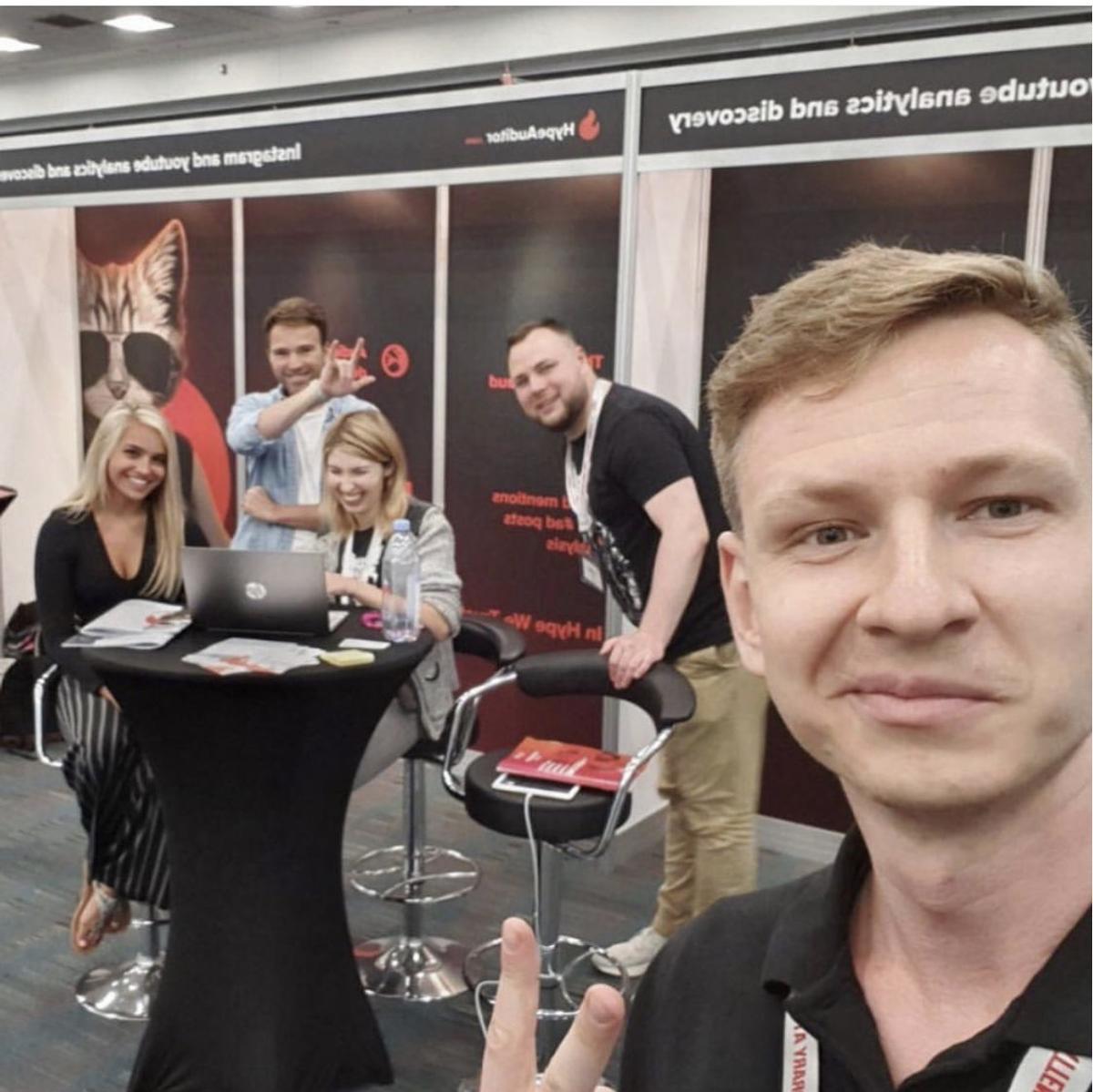
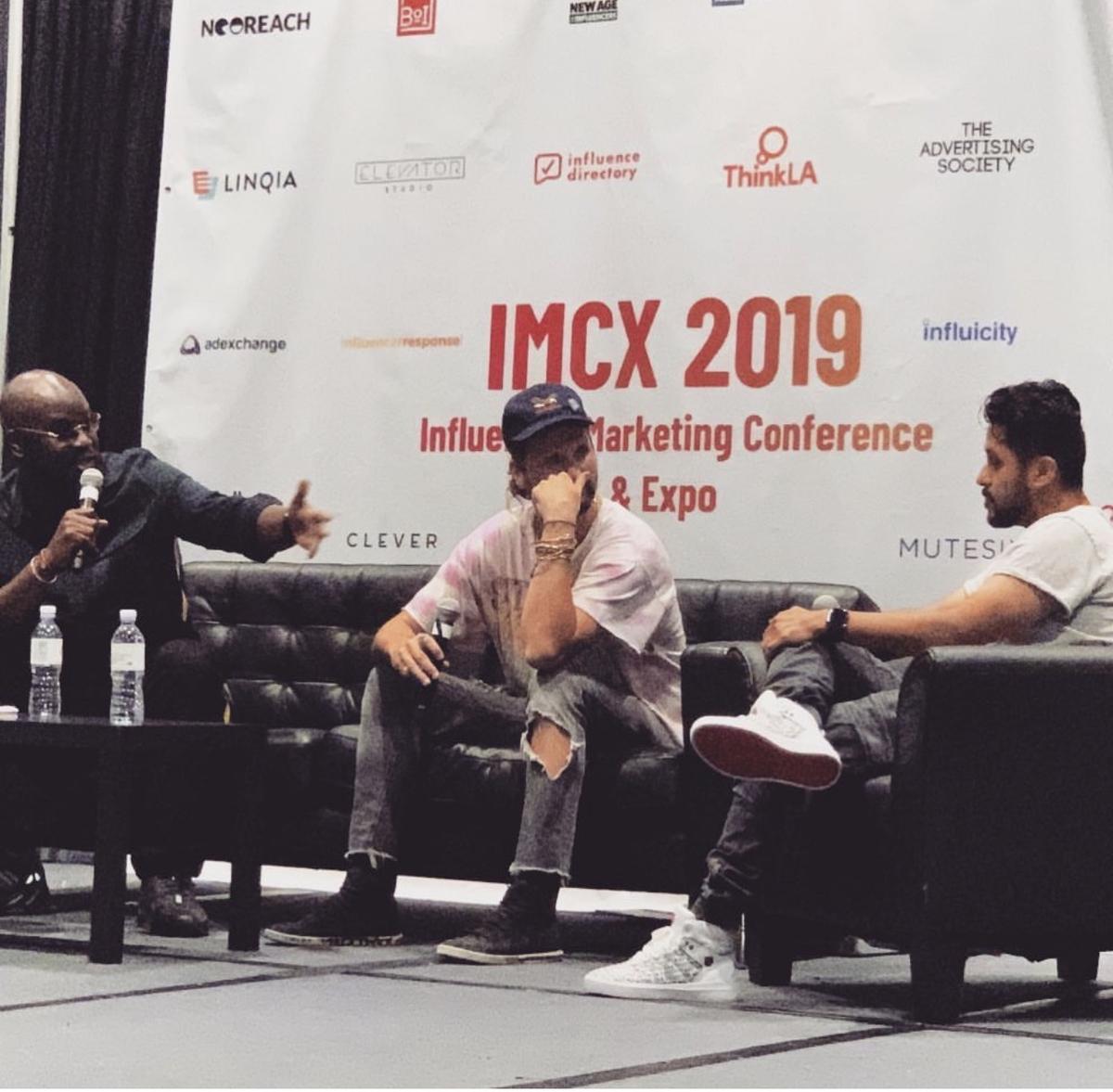
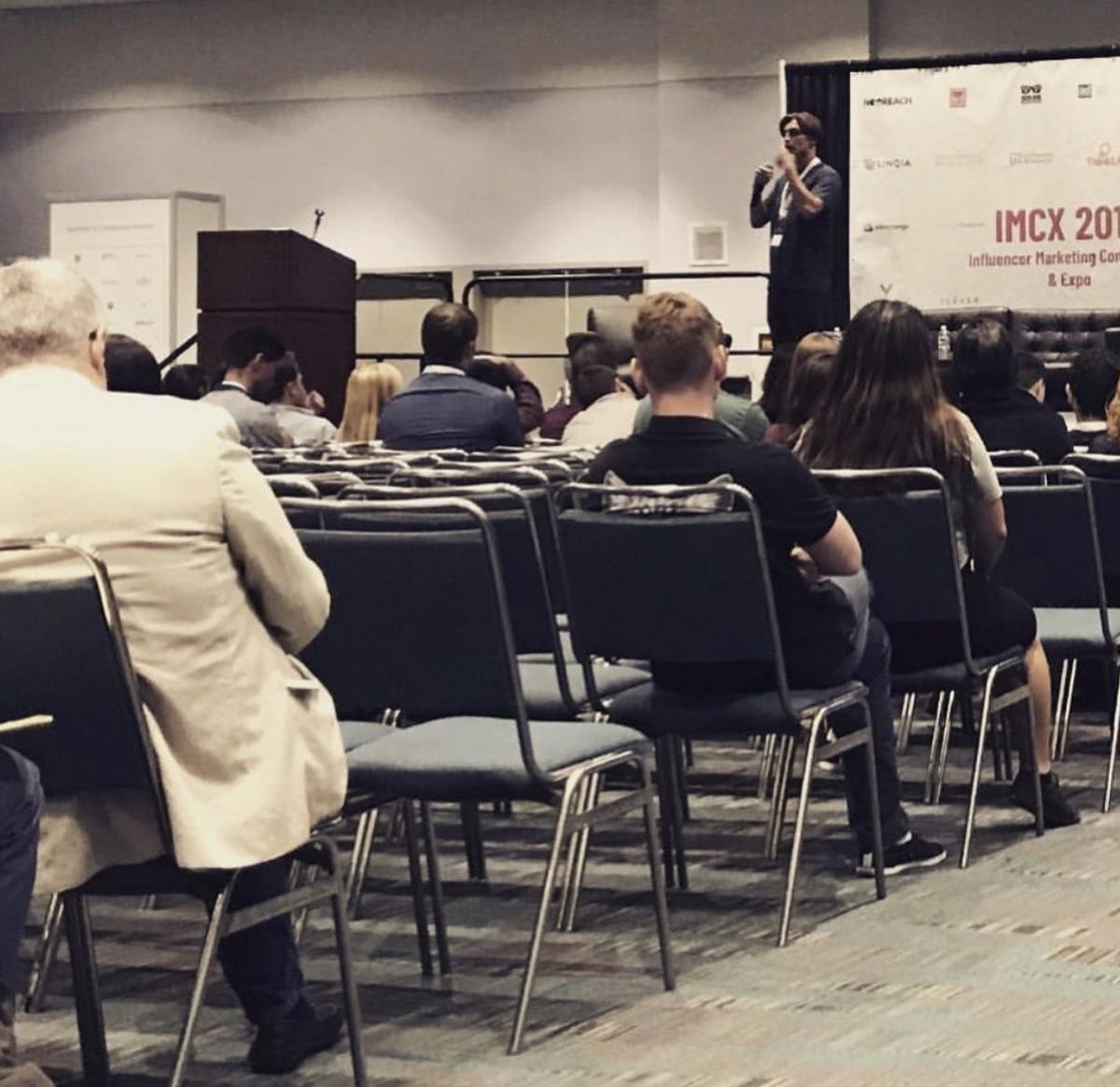
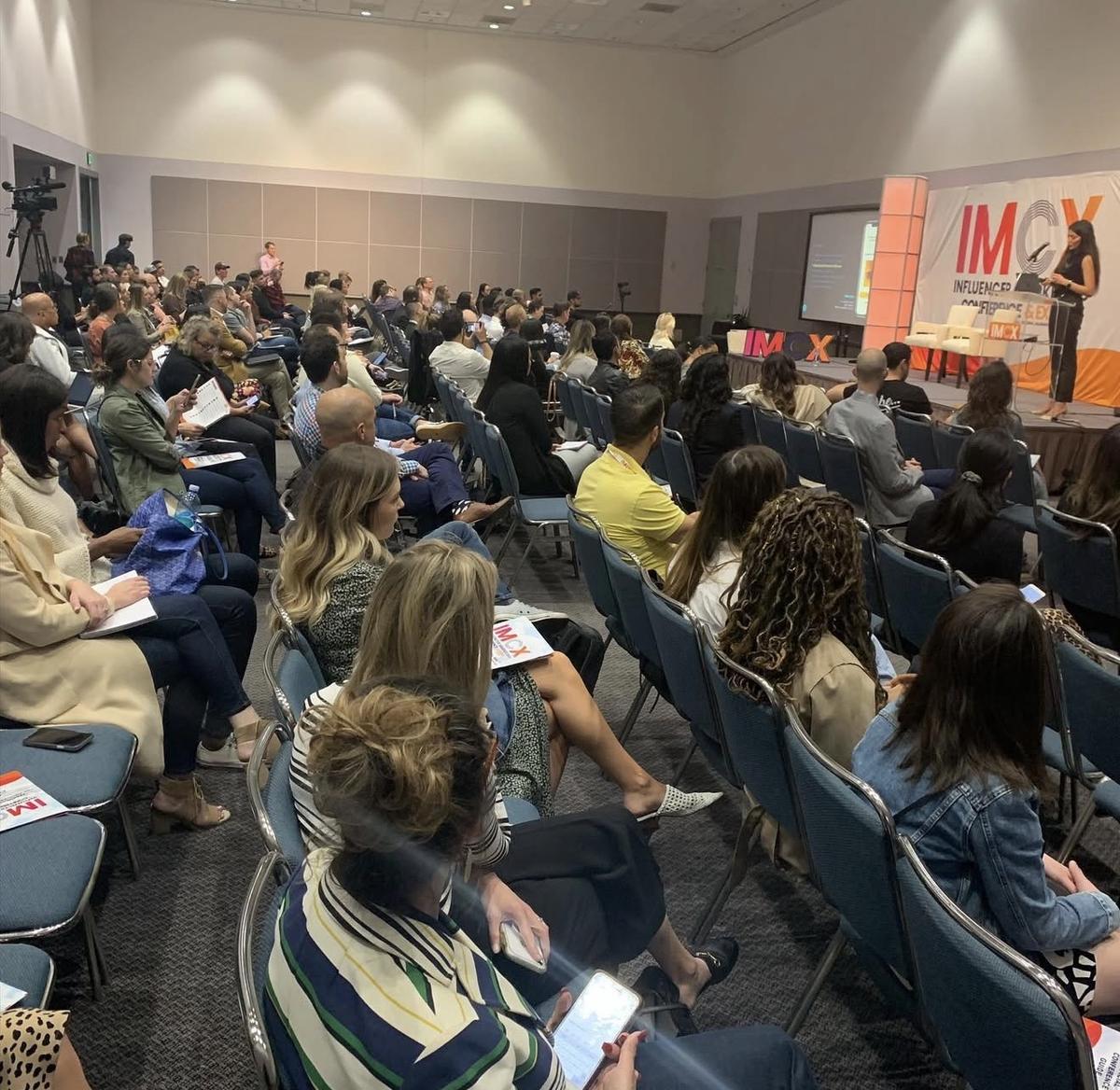
The most effective education programs combine practical business skills with platform-specific knowledge and ongoing mentorship. Industry events like IMCX have also become important venues for professional development, knowledge sharing, and network building.
Universities and business schools are beginning to offer courses and programs focused on creator economics, digital media entrepreneurship, and influencer marketing. While still nascent, this trend suggests growing institutional recognition of the creator economy as a legitimate field of study and practice.
Education is increasingly recognized as infrastructure, not just a nice-to-have. A better-educated creator ecosystem is more professional, more compliant, more efficient, and more valuable to all stakeholders. Investment in education pays dividends across the entire value chain.
Education & Skills Gap
Relative prevalence index of formal education or training available to creators. Higher values indicate more widely available resources; lower values indicate significant gaps.
Capital, Mergers and Acquisitions, and Institutional Interest
Precise capital allocation data in the creator economy is inherently fragmented. There is no single industry classification, no universal reporting standard, and no consistent definition of what constitutes a creator economy company. Many relevant transactions occur within larger conglomerate deals or remain undisclosed. What follows is based on observable patterns in public funding announcements, acquisition disclosures, and industry reporting rather than any comprehensive dataset.
Where Capital Concentrates
Capital activity tends to cluster around infrastructure and tooling rather than around individual creators. This pattern is consistent across venture capital, private equity, and strategic acquisitions. The logic is straightforward: infrastructure companies offer recurring revenue, lower key-person risk, and scalable unit economics. A SaaS platform serving thousands of creators presents a fundamentally different risk profile than a business built around a single personality, regardless of that personality's audience size.
Observable deal patterns suggest sustained investor interest in several categories. Creator tools, including editing software, scheduling platforms, link-in-bio services, and CRM systems, continue to attract funding across stages. Commerce and payments infrastructure, from storefront builders to payout systems, has drawn both venture capital and strategic investment from established fintech companies. Analytics and attribution platforms have gained prominence as brands demand better measurement of creator-driven outcomes.
Marketplaces and agencies occupy a middle ground. While some have scaled to meaningful revenue, the category faces margin pressure and the persistent challenge of disintermediation. Individual creator investments and creator-owned brand acquisitions remain the least predictable category, with headline-grabbing deals that often obscure the difficulty of repeating such outcomes at scale.
Infrastructure Roll-Ups vs. Creator-Led Exits
Two distinct patterns have emerged in M&A activity, and they operate on very different dynamics. Infrastructure roll-ups, where investment firms or strategic acquirers consolidate multiple tools or service providers, tend to be quiet and consistent. These transactions are driven by distribution control, data ownership, and the operational efficiencies of combining complementary products. They rarely generate headlines but represent the bulk of observable acquisition volume.
Creator-led exits, by contrast, are rare and headline-driven. The most successful involve businesses that have transcended the individual: product lines with independent brand recognition, media properties with editorial teams, or communities with engagement patterns that do not depend entirely on one person. Public disclosures indicate that businesses which remain fundamentally dependent on a single creator's daily involvement have proven difficult to sell at attractive valuations. The key-person risk is not theoretical; it is the primary valuation constraint.
What Drives M&A Activity
While comprehensive allocation data is unavailable, several themes recur across disclosed transactions. Acquirers are consistently motivated by distribution control, seeking to own the channels and touchpoints through which creators reach audiences. Data ownership is a second driver; companies that aggregate creator performance data, audience insights, or campaign analytics hold strategic value that extends beyond their direct revenue. Commerce enablement, the ability to convert creator influence into transactions, attracts acquirers from both the retail and fintech sectors. And attribution and analytics capabilities, particularly those that can demonstrate incremental business impact, command premiums in a market where measurement remains the industry's most persistent weakness.
Creators as Inputs, Not Assets
Institutional capital, by and large, treats creators as inputs to a system rather than as assets to be acquired. This distinction matters. Capital flows toward the platforms, tools, and services that creators depend on, not toward creators themselves. The economics favor owning the infrastructure layer: a payment rail processes transactions regardless of which creator uses it; an analytics platform retains value even as individual creators rise and fall.
This structural reality has implications for creators. It means that the financial upside of the creator economy disproportionately accrues to those who build the tools and systems, not to those who produce the content. Creators who recognize this dynamic and position themselves as business operators, building owned audiences, proprietary products, and diversified revenue, stand to retain more of the value they generate. Those who remain solely content producers on rented platforms face a less favorable position as institutional capital continues to reshape the ecosystem around them.
Relative Investor Focus Across Creator Economy Segments (Directional)
How to read this chart
- This chart reflects relative investor focus, not capital allocation or dollar volume.
- Rankings are based on publicly observable deal themes, acquisitions, and disclosed funding activity.
- Many investments span multiple categories.
- Private rounds and undisclosed terms limit precise measurement.
- This visualization is intended to show directional interest, not market share.
Source: Public funding announcements, acquisition disclosures, and industry reporting. Categories are illustrative and non-exclusive.
What This Means for Creators
The current state of the creator economy demands a more strategic and professional approach from individual creators. The era of accidental success and platform-dependent growth is ending. What replaces it requires intentionality, business acumen, and resilience.
Diversification Is Non-Negotiable
Creators who rely on a single platform or a single revenue stream are exposed to existential risk. Algorithm changes, policy shifts, platform declines, and advertiser budget fluctuations can all disrupt income overnight. Building across multiple platforms, revenue streams, and audience touchpoints is essential.
Effective diversification means developing income from multiple categories: advertising revenue share, brand partnerships, direct-to-consumer products, subscriptions, licensing, live events, and professional services. No single stream needs to dominate, but no single stream should represent more than 40 to 50 percent of total income.
Own Your Audience
The most resilient creators are those who maintain direct relationships with their audiences through email lists, membership communities, SMS lists, and owned websites. Platform audiences are rented. They can be taken away by algorithm changes, policy violations, or platform decline. Owned audiences are assets that travel with the creator regardless of what happens on any given platform.
Building owned audience channels requires consistent effort and provides slower growth than platform-native distribution, but it is the single most important long-term investment a creator can make.
Platform Risk Management
Every creator should have a contingency plan for the scenario where their primary platform changes terms, reduces reach, or becomes less relevant. This means regularly exporting content, maintaining active presence on multiple platforms, building transferable skills and brand recognition, and maintaining financial reserves to weather disruptions.
Platform risk is not theoretical. Creators who built their businesses on Vine, Google Plus, and other discontinued platforms lost everything overnight. Creators who depended heavily on Facebook organic reach saw their distribution collapse when the algorithm changed. History will repeat itself.
AI and Compliance Literacy
Creators who understand AI tools and regulatory requirements will have significant advantages in the years ahead. AI literacy enables productivity gains, competitive differentiation, and the ability to maintain quality at scale. Compliance literacy prevents costly mistakes, builds trust with brand partners, and reduces legal exposure.
Both forms of literacy require ongoing investment. AI tools evolve rapidly, and regulatory requirements are becoming more complex. Creators who treat professional development as an ongoing responsibility rather than a one-time effort will be best positioned.
Build Like a Business
The most successful creators in 2026 and beyond will be those who approach their work with the discipline and strategic thinking of a business owner. This means setting financial goals, tracking metrics that matter, investing in professional development, building systems and processes, and planning for the long term.
This does not mean sacrificing creativity or authenticity. It means creating the business infrastructure that allows creativity and authenticity to thrive sustainably.
What This Means for Brands
Brands that treat influencer marketing as a mature channel rather than an experimental tactic will outperform those that do not. The brands seeing the best results are those that have invested in understanding the ecosystem, building internal capabilities, and developing long-term strategies.
From Campaigns to Partnerships
The most effective brand-creator relationships are long-term partnerships, not one-off campaign activations. Sustained partnerships build audience trust, improve content quality, generate better data for optimization, and create compounding returns as audiences become familiar with the brand-creator association.
Brands should invest in fewer, deeper creator relationships rather than spreading budgets across dozens of transactional deals. A creator who genuinely understands and believes in a brand will produce more authentic, more effective content than one who is seeing the product for the first time on camera.
The shift from campaigns to partnerships also changes how brands should measure success. Partnership value accrues over time and across multiple touchpoints. Evaluating a long-term creator relationship by the performance of any single piece of content misses the cumulative impact.
Build Internal Expertise
Brands that rely entirely on external agencies for influencer marketing lack the institutional knowledge to evaluate performance, manage compliance, develop strategy, and maintain relationships. Building internal creator marketing expertise, even a small dedicated team, significantly improves outcomes.
Internal teams provide continuity, institutional memory, and the ability to develop relationships with creators directly. They also enable better integration of influencer marketing with other marketing channels and business objectives.
This does not mean eliminating agency partnerships. Agencies provide scale, specialized expertise, and access to creator networks that internal teams may lack. But brands should maintain enough internal knowledge to be informed buyers of agency services.
Compliance, Trust, and Long-Term ROI
Brands must treat FTC compliance as a baseline requirement, not an afterthought. They should implement robust disclosure monitoring, include compliance requirements in contracts, audit creator partners regularly, and train internal teams on regulatory requirements.
The cost of a compliance failure, both financial and reputational, far exceeds the cost of prevention. A single high-profile disclosure violation can damage brand reputation far more than the modest investment required to maintain a compliance program.
Long-term ROI in influencer marketing comes from trust: audience trust in creators, brand trust in measurement, and regulatory trust in industry practices. Every shortcut erodes this trust, and rebuilding it is far more expensive than maintaining it.
Budget Allocation
Influencer marketing budgets should be allocated based on strategic objectives, not trend-following. Brands should invest in measurement infrastructure alongside media spend, allocating at least 10 to 15 percent of their influencer marketing budget to analytics, attribution, and compliance.
Budgets should also account for creative development time, usage rights, and exclusivity provisions. Underinvesting in these areas leads to lower-quality content, limited distribution rights, and creators who are simultaneously promoting competing brands.
The brands that achieve the highest return on influencer marketing spend are those that treat it as a strategic investment with proper infrastructure, not a discretionary line item to be cut during budget reviews.
Outlook: 2026 to 2028
The next two to three years will be defined by consolidation, professionalization, regulatory expansion, and the deep integration of AI into every layer of the creator economy. The trends are clear, even if the pace and specifics remain uncertain.
Consolidation
Expect continued consolidation among creator economy infrastructure companies. The number of SaaS tools, agencies, and service providers is unsustainably large relative to the market. The period from 2020 to 2023 saw an explosion of venture-funded startups targeting every conceivable niche of the creator economy, from link-in-bio tools to creator-focused banking.
Many of these companies will not survive as independent entities. Mergers, acquisitions, and failures will reduce the field to a smaller number of more capable and better-capitalized players. This consolidation is healthy and necessary for the ecosystem to function efficiently.
Regulatory Expansion
Regulation will expand beyond disclosure requirements to encompass data privacy, algorithmic transparency, AI-generated content labeling, children's safety in creator content, and potentially platform revenue-sharing standards. The European Union's Digital Services Act and AI Act will set precedents that other jurisdictions are likely to follow.
International regulatory coordination will increase, creating a more complex compliance landscape for global creator operations. Creators and brands operating across borders will need dedicated compliance resources or access to specialized advisory services.
AI-Native Creators
A new generation of creators who build their workflows around AI from the start will emerge. Unlike current creators who are adapting existing workflows to incorporate AI tools, AI-native creators will design their content strategies, production processes, and business models with AI capabilities as foundational assumptions.
These creators will produce content faster, at lower cost, and with greater consistency than their predecessors. The competitive bar for content quality, output volume, and audience engagement will rise accordingly. Creators who resist AI adoption will find themselves at an increasing disadvantage.
Professionalization
The creator economy will continue its trajectory toward professionalization. This means more standardized contracts with clearer terms and protections, better measurement tools accessible to smaller market participants, more sophisticated financial instruments including insurance and retirement products designed for creators, clearer career paths from hobbyist to professional to business owner, and higher expectations for business competence among professional creators.
Professional associations, industry standards bodies, and certification programs will grow in influence. The creator economy will look less like the Wild West and more like a structured industry with established norms and practices.
Platform Evolution
Platform dynamics will continue to shift. The dominance of any single platform is never permanent, and the next two to three years will likely see new entrants, format innovations, and changes in user behavior that reshape the competitive landscape. Creators who are platform-agnostic and audience-first will navigate these shifts most successfully.
The ecosystem is moving from a talent-driven, personality-dependent model toward a more structured, infrastructure-supported industry. This transition will not be complete by 2028, but the direction is unmistakable.
2026\u20132028 Outlook (Scenario Bands)
Directional index (Base year 2026 = 100). Conservative, Base, and Accelerated scenarios shown. Not a forecast.
Conclusion: From Attention to Infrastructure
The creator economy is no longer about going viral. It is about building systems. The platforms, tools, measurement frameworks, regulatory structures, and financial instruments that support digital creation are now more important than any individual creator or trend.
This does not diminish the role of individual creativity. It elevates it. When the infrastructure is sound, creative talent can focus on what it does best: creating content that informs, entertains, and connects. When creators do not have to worry about whether they will get paid, whether their audience data is real, or whether they are inadvertently breaking the law, they can devote their energy to the work itself.
The challenges are real. Fraud erodes trust. Measurement gaps undermine investment. Regulatory uncertainty creates risk. Education deficits limit potential. Platform power imbalances persist. AI raises questions about authenticity and competition that do not have easy answers.
But the trajectory is toward maturity, not decline. The creator economy is becoming what it always had the potential to be: a legitimate, structured, and durable sector of the global economy. The problems it faces are the problems of a maturing industry, not a failing one.
The organizations, creators, and brands that treat it as such, with rigor, professionalism, and long-term thinking, will be the ones that thrive. Those that continue to approach it with hype-cycle thinking, short-term optimization, and corner-cutting will find the environment increasingly unforgiving.
This report will be updated quarterly as new data, regulatory developments, and market changes emerge. For ongoing coverage, explore the Creator Economy Directory, our analysis of FTC Disclosure Guidelines, and the latest Platform Updates. For in-person industry dialogue, IMCX remains the premier gathering for creator economy professionals.
About the Editorial Team
This report was produced by The Creator Economy Editorial Team, led by Editor-in-Chief Ismail Oyekan. The Creator Economy is an independent publication dedicated to covering the business of content creation, platform dynamics, and the evolving landscape of digital media entrepreneurship. Our editorial standards require factual accuracy, source transparency, and analytical independence. We do not accept payment for coverage, and our analysis is not influenced by advertising relationships.
---
**💡 Calculate Your Creator Earnings:** Want to know your earning potential? Use our free [Creator Earnings Calculator](/tools/creator-earnings-calculator) to estimate your income across YouTube, TikTok, Instagram, and more platforms.
---
FAQ: The State of the Creator Economy (2026)
What is the creator economy?
+
How big is the creator economy in 2026?
+
How do creators make money today?
+
How is AI changing the creator economy?
+
Do AI influencers replace human creators?
+
Why is influencer fraud still common?
+
What's the biggest challenge in measuring influencer performance?
+
What does the FTC require for sponsored content disclosure?
+
How can creators stay compliant with disclosure rules?
+
What should brands do to reduce compliance and reputational risk?
+
How should brands vet creators in 2026?
+
What's next for the creator economy from 2026 to 2028?
+


By The Creator Economy Editorial Team
Editorial oversight by Ismail Oyekan
Ismail Oyekan is the Editor-in-Chief of The Creator Economy and the founder of IMCX (Influencer Marketing Conference & Expo), the premier industry gathering connecting creators, brands, and capital. Named one of the 100 Most Influential People in Influencer Marketing by Influence Weekly, he has managed over $20 million in influencer marketing budgets and worked with A-list talent including Floyd Mayweather and DJ Khaled. He is a sought-after advisor to creator economy startups.