Kylie Jenner Just Co-Branded a Meta AI Wearable. The Distribution Play Is Bigger Than the Frame.
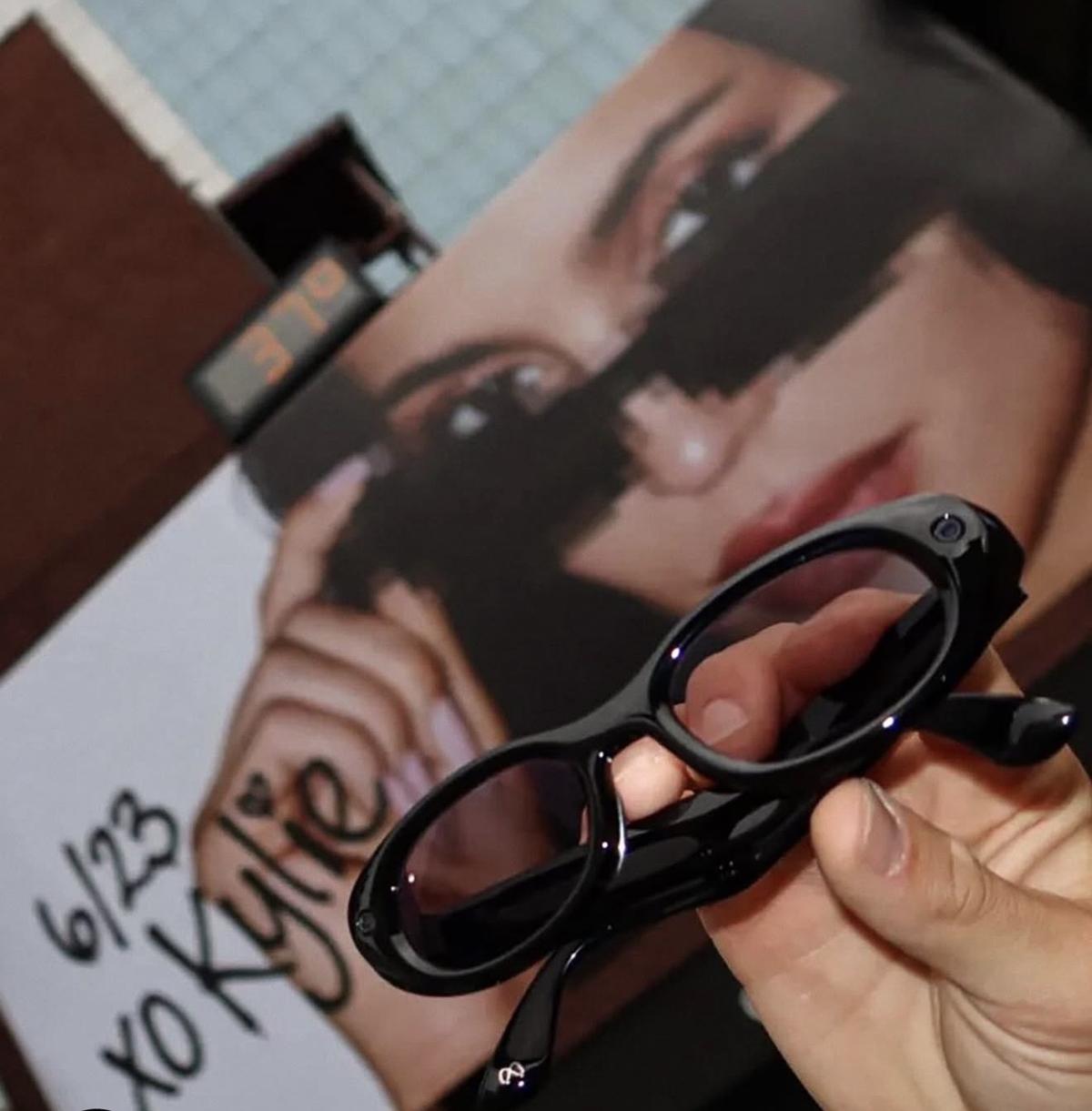
Meta launched a 3-silhouette Meta Glasses line on June 23, 2026, with a $299 starting price and a slim oval Meta Glasses by Kylie SKU created with Kylie Jenner. The deal structure is the lesson for creators thinking about hardware collaborations.

The Creator Economy
Editorial oversight by the Editor-in-Chief
On June 23, 2026, Meta launched its new Meta Glasses line with three silhouettes at a $299 starting price: the rectangular Meta Adventurer, the bold Meta Fury, and Meta Glasses by Kylie, a slim oval frame created with Kylie Jenner. The launch opens with 26 style combinations across black, tortoise, merlot, linen, racing green, and sandstone, with clear, sun, polarized, and Transitions lenses. All three retain Meta AI, hands-free photo and video capture, open-ear audio, and prescription-lens support. The glasses went on sale through Meta.com and major retailers the same day. The release brings Meta total glasses offering to over 70 different styles and shapes.
The frame itself is a fashion-forward slim oval. The deal underneath is a textbook creator-economy distribution play, and it tells you exactly how the biggest consumer hardware company in AI wearables is choosing to scale.
Why Meta needed a creator partner here
Meta has the AI, the optics, the audio engineering, and the Ray-Ban joint venture that made the original Ray-Ban Meta glasses a category-defining product. What Meta does not have is fashion authority with the female 16 to 34 demographic that buys most of the eyewear sold in the United States. The Ray-Ban partnership solved that on the men side and the unisex side. Kylie Jenner solves it on the womens fashion side, and she solves it without Meta having to build that authority from scratch over a decade.
This is the same reason direct-to-consumer brands have been doing creator co-launches for years. The partner buys the brand instant credibility with a demographic Meta could not reach on its own at the same cost or speed. The price of admission for Kylie tier celebrities to lend their name to a hardware launch is meaningful, but compared to what Meta would spend on paid acquisition to reach the same audience, the math favors the deal almost every time.
What is actually in the deal
Three things are likely in any deal of this structure, even if Meta has not disclosed terms.
First, an upfront fee for the use of her name and likeness on the product line. For a celebrity at Kylie scale, this is typically eight figures, sometimes structured as a guaranteed minimum against royalties.
Second, a per-unit royalty on Meta Glasses by Kylie sales, almost certainly in the high single digits or low double digits as a percentage of wholesale or revenue. This is where the partner economics get interesting because Meta is presumably planning to sell hundreds of thousands of units over the product cycle, and Kylie collects on every one.
Third, a content and promotion commitment from Kylie across her owned channels (Instagram primarily, where she has the largest concentrated reach in beauty and fashion). This is the part that creators with smaller audiences can learn the most from. The commitment is not a single launch post. It is an ongoing content rhythm that keeps the product in cultural conversation for the full product cycle.
The 26 style combinations are the real strategy
Most consumer wearables launches focus on one or two SKUs to keep manufacturing and merchandising simple. Meta launched with 26 style combinations across six colorways and four lens types on day one, plus the three frame silhouettes. The math of that is non-trivial on the supply chain side, but the read on the consumer side is direct: Meta is treating this product like fashion, not like tech. Fashion launches succeed when the customer can pick the version of the product that feels like theirs. Tech launches optimize for the best single configuration. The 26-combination launch tells you which playbook Meta is running.
For creators considering hardware collaborations of their own, the implication is clear. The brand partner who is willing to invest in real SKU breadth at launch is taking the partnership seriously as a fashion product, not as a one-off marketing stunt. That investment usually correlates with the brand putting real marketing dollars behind the launch, which is the difference between a partnership that moves units and one that goes nowhere.
The total catalog now reads 70-plus styles
The line above 70 styles is the quiet headline. Meta has built, in roughly three years, the largest AI-wearable catalog in the consumer market, with Ray-Ban Meta, Oakley Meta, and now the standalone Meta Glasses line including Meta Glasses by Kylie. That breadth matters because consumer wearables fail when they look like one product trying to fit everyone. They scale when they look like a category with options across price, style, and use case. Meta has clearly internalized the apparel-and-eyewear playbook, where Luxottica builds dozens of brands inside one parent precisely because customers want to feel like they picked the right brand for them.
The strategic implication for the broader AI wearables and creator economy intersection is significant. If Meta succeeds at making AI glasses the next eyewear category (and the catalog scale suggests confidence in that bet), then the creators who collaborate on hardware now will be the names that get associated with the category as it goes mainstream. That is the same dynamic that made certain creators synonymous with phone cases, sneakers, and beauty products in the previous decade.
What this means for creators below the Kylie tier
Three takeaways, in order of leverage for working creators.
One: hardware collaborations are no longer reserved for celebrities at Kylie scale. As AI wearable categories expand, brands will need partners across audience tiers to address segment-specific consumers (gaming, fitness, parenting, B2B, creator-tool buyers). Creators with 100K to 1M followers in a focused vertical are increasingly viable partners for niche SKU launches, not just for promotion deals.
Two: structure your deal for royalties, not just upfront fees. The economics of these collaborations compound for the partner who owns a per-unit revenue line into a product that has a multi-year cycle. The upfront fee gets spent. The royalty pays for years if the product line works.
Three: the content commitment is the make-or-break. A creator who agrees to a hardware collaboration and then ships one launch post and disappears is leaving most of the value on the table for both sides. The creators who turn collaborations into ongoing content rhythms (product styling, day-in-the-life content, behind-the-scenes of the design process) drive units for the brand and lock in repeat collaborations for themselves. This is the same execution discipline that separates top 10 percent paid newsletter operators from the median.
For newsletter operators specifically, the read is that AI wearables are a new product category creators can credibly cover, recommend, and (for the right operators) integrate as affiliate or sponsored content. Meta Glasses, Ray-Ban Meta, and the broader AI-glasses category will be a meaningful consumer technology beat for the next few years, with regular product news that fits naturally into creator economy, tech, and lifestyle newsletters.
The bottom line
Kylie Jenner gets royalties, content reach, and category positioning inside AI wearables before the category goes fully mainstream. Meta gets credibility with a demographic it could not reach as efficiently any other way, plus the celebrity attention that makes a $299 wearable feel like a fashion launch instead of a gadget drop. Both sides win, and the structure of the deal is the template for how creator-economy hardware partnerships are going to scale over the next 24 months. Watch the Meta Glasses by Kylie sales numbers when they leak (and they will), because they will set the per-celebrity-collaboration revenue benchmark for the rest of the AI wearables category.
For more on how top creators are translating audience into commercial categories, see the Forbes Top Creators 2026 list analysis and the MrBeast and James Patterson book deal.
Frequently asked questions
How much do the new Meta Glasses cost?
Starting at $299. The line includes three silhouettes (Meta Adventurer, Meta Fury, Meta Glasses by Kylie) with 26 total style combinations across colors and lens types.
What features do the Meta Glasses by Kylie include?
Meta AI, hands-free photo and video capture, open-ear audio, and prescription-lens support. Same core feature set as the rest of the Meta Glasses line, with a slim oval frame styled by Kylie Jenner.
Where can I buy them?
Meta.com and major retailers, with all three silhouettes available the same day as the June 23, 2026 launch.
Why did Meta partner with Kylie Jenner specifically?
To reach the female 16 to 34 fashion-eyewear consumer at speed and scale Meta could not match through paid acquisition alone. The partnership trades upfront fees and royalties for instant credibility with a demographic that drives most US eyewear purchases.
What is the total Meta glasses catalog now?
Over 70 different styles and shapes when you include Ray-Ban Meta, Oakley Meta, and the standalone Meta Glasses line. The breadth is the strategy: Meta is treating AI eyewear as a fashion category with many SKUs, not as a single tech product.

By The Creator Economy Editorial Team
Editorial oversight by Ismail Oyekan
Ismail Oyekan is the Editor-in-Chief of The Creator Economy and the founder of IMCX (Influencer Marketing Conference & Expo), the premier industry gathering connecting creators, brands, and capital. Named one of the 100 Most Influential People in Influencer Marketing by Influence Weekly, he has managed over $20 million in influencer marketing budgets and worked with A-list talent including Floyd Mayweather and DJ Khaled. He is a sought-after advisor to creator economy startups.