78 Percent of Creators Report Burnout. The Mental Health Numbers Reshaping the 2026 Creator Economy.
Three-quarters of working creators say burnout is affecting their motivation and physical health. The shift toward IRL events, community, and platform-independent income is the response, and it is changing where money flows in the category.
The Creator Economy
Editorial oversight by the Editor-in-Chief
The single most important statistic in creator economy research this year is one most platforms would rather not foreground. According to the 2025 Creator Economy Report, 78 percent of creators say burnout is impacting their motivation and physical and mental health. That number cuts across audience tier, content category, and years of experience. It is the closest thing the creator economy has to a category-defining problem, and the response from operators, platforms, and investors in 2026 is starting to reshape where money actually flows in the business.
For anyone running a creator business, building tools for creators, or investing in the category, the burnout data is not a feel-good story. It is a leading indicator of which business models are about to grow and which are about to compress.
What the data actually says
The 78 percent burnout figure is the headline, but the supporting numbers paint a sharper picture. The creators reporting the most severe burnout are not the largest accounts. They are the mid-tier creators with 50,000 to 500,000 followers who are full-time on content but lack the team infrastructure to absorb the workload. Top-tier creators ($1M+ followers, multiple revenue streams, professional management) report meaningfully lower burnout because they have hired their way out of the always-on demands. Hobbyist creators (under 10,000 followers, part-time, content as supplement to other income) report lower burnout because the work is not their livelihood.
The middle is where the burnout concentrates. The middle is also where most creator economy revenue gets generated. That gap matters because the businesses that depend on mid-tier creator output (every brand running an influencer campaign, every affiliate program, every UGC platform) are increasingly running on a workforce that the data says is breaking down.
What is actually causing it
Three drivers consistently show up in the research, and they compound on each other.
First, the always-on content cycle. Platform algorithms reward consistency above almost any other metric. Creators who post daily on TikTok and Instagram and weekly on YouTube and maintain a newsletter and engage in comments are competing against other creators doing the same, and the floor keeps moving up. The 40-hour creative workweek that supports a sustainable career in most professions does not exist in creator content. The expected work volume has expanded faster than the tooling to support it.
Second, platform dependence and algorithmic anxiety. A creator whose income depends on one platform algorithm lives with the constant possibility that a change in the recommendation system reduces their reach by 50 percent overnight. That anxiety is not psychological abstraction. It is a real business risk that creators report thinking about constantly. The mental load of operating in an environment where your livelihood can be cut in half without warning is itself burnout-inducing, before you account for the actual content work.
Third, the public-facing nature of the work. Creators receive feedback, criticism, and parasocial attention at volumes most professions never experience. The combination of always-on creative pressure plus constant public evaluation plus platform-dependent income produces a stress profile that the research is increasingly framing as occupational rather than personal.
The response that is starting to show up in the data
Three patterns are reshaping the category as the burnout numbers force a response.
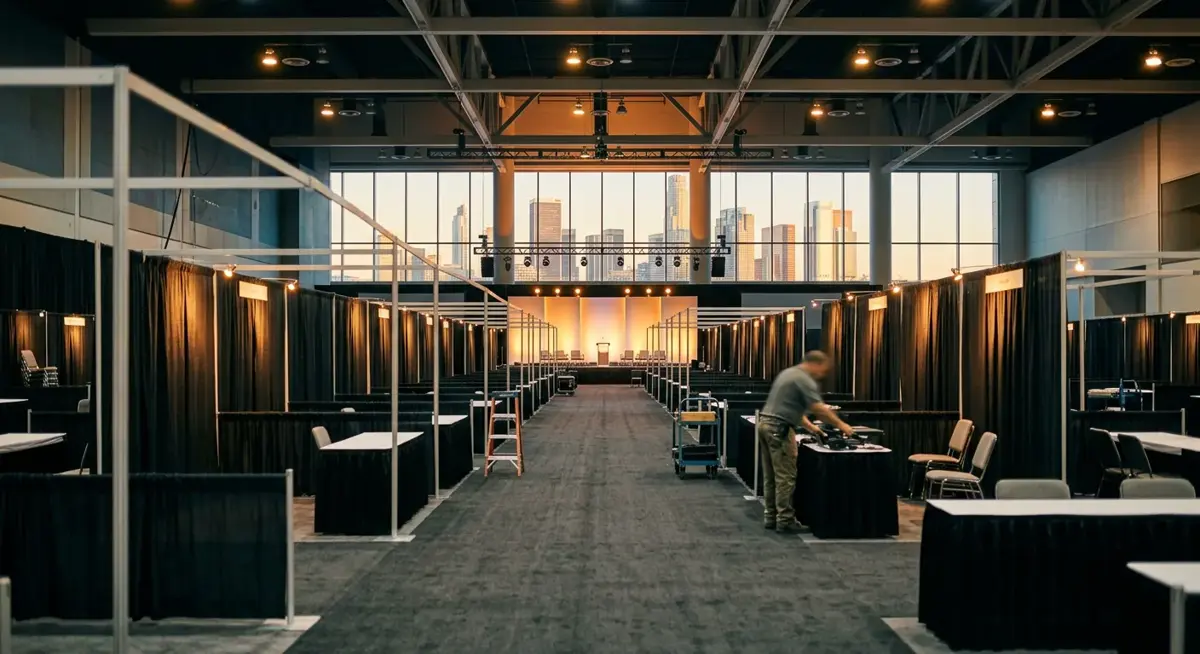
First, the shift to IRL events and community. Creator economy operators have started doubling down on in-person events, retreats, dinner series, and community gatherings. The motivation is partly creator wellness (the human connection IRL provides that screen-mediated audience interaction does not) and partly business diversification (revenue from community access is less algorithm-dependent than ad-based revenue). This is the underlying driver of why creator-led conferences are returning to physical formats and why creator-led community products are seeing fresh investment.
Second, the move toward platform-independent income. The same beehiiv research that put paid newsletter subscription revenue at 138 percent growth in 2025 shows the same migration pattern: creators are actively building revenue lines that do not depend on platform algorithms. Paid subscriptions, owned commerce, direct community access, and licensed IP all reduce the algorithmic anxiety component of burnout because they reduce the underlying platform dependence.
Third, the rise of creator-support infrastructure. Mental health resources designed for creators, business coaches who specialize in creator workflows, agencies offering operational support without taking equity, and platforms building tools specifically for sustainable creator workloads are all categories seeing fresh capital. The investment thesis: if 78 percent of creators are burning out, the tools and services that reduce the burnout are the highest-leverage category in the creator economy right now.
What this means for creator economy businesses
Three implications for anyone operating in the category.
One: creators are increasingly going to choose collaborators based on workflow burden, not just rate. The brand campaigns that get accepted are the ones with clean briefs, single points of contact, fast approvals, and reasonable revision cycles. The brands that treat creator partnerships like agency-of-record relationships with seven layers of feedback are getting passed on, even at premium rates. The friction of working with a brand is now a real factor in creator decision-making, and burnout makes that factor more decisive.
Two: products that reduce creator workload are the highest-margin tools you can build. Scheduling, content repurposing, automated community moderation, analytics dashboards that surface only what matters, AI-assisted drafting for non-creative work (admin, contracts, scheduling) all hit creators where the burnout actually lives. The creator-tool companies positioning this way are growing faster than the ones positioning around growth or monetization, because the willingness-to-pay for workload reduction now exceeds the willingness-to-pay for growth optimization.
Three: long-term creator value comes from sustainable career architecture, not from spike-driven viral growth. The creators building 10-year careers in 2026 are doing it through diversified revenue, manageable content cadence, strong support teams, and IP that compounds. The creators chasing the spike-and-burn pattern are increasingly the names that disappear from the rankings within 18 months. The Forbes Top Creators 2026 list illustrates this clearly: eight of the top ten earners run operating companies with teams, not solo creator accounts. The infrastructure is the moat.
The honest read
The creator economy has a workforce problem and the workforce is starting to vote with its time. Creators are reducing posting frequency, declining brand work that does not pay enough to justify the workload, walking away from platforms where the algorithm-to-mental-health ratio no longer pencils, and migrating toward income models that give them more control over their schedule. Brands, platforms, and tool companies that adjust to this reality will capture the next decade of category growth. The ones that keep building on the assumption of infinitely-scalable creator labor will discover the assumption was wrong.
For the macro view on creator economy capital flows, see the $314 billion valuation inflection coverage. For the operator-creator playbook that the burnout data favors, see our analysis of how MrBeast structures multi-channel revenue.
Frequently asked questions
What percentage of creators report burnout in 2026?
78 percent of creators report burnout impacting their motivation, mental, and physical health, according to the 2025 Creator Economy Report. The number is consistent across content categories and audience tiers, with mid-tier creators (50K to 500K followers) reporting the most severe symptoms.
Which creators experience the most burnout?
Mid-tier creators (50K to 500K followers) who are full-time on content but lack the team infrastructure to absorb the workload. Top-tier creators with hired teams and hobbyist creators with content as supplemental income both report lower burnout rates.
What are the main causes of creator burnout?
Always-on content cycles driven by algorithmic consistency rewards, platform dependence and the constant threat of algorithm changes cutting income, and the public-facing nature of the work which creates constant evaluation and parasocial pressure.
What is the creator economy doing about it?
Three responses are reshaping the category: the shift to IRL events and community gatherings, the move toward platform-independent revenue (paid subscriptions, owned commerce, licensed IP), and fresh investment in creator-support infrastructure (mental health resources, operational support, workload-reducing tools).
What does this mean for brands working with creators?
Workflow friction is now a real factor in creator decision-making. Brands offering clean briefs, single points of contact, and reasonable approval cycles win creator partnerships, sometimes even at lower rates than competing brands offering more complex engagements. The friction of working with a brand is now part of the rate.

By The Creator Economy Editorial Team
Editorial oversight by Ismail Oyekan
Ismail Oyekan is the Editor-in-Chief of The Creator Economy and the founder of IMCX (Influencer Marketing Conference & Expo), the premier industry gathering connecting creators, brands, and capital. Named one of the 100 Most Influential People in Influencer Marketing by Influence Weekly, he has managed over $20 million in influencer marketing budgets and worked with A-list talent including Floyd Mayweather and DJ Khaled. He is a sought-after advisor to creator economy startups.