Meta's 17 Billion Dollar Settlement Puts Default Time Limits on Teen Accounts, and California Moves on Paid Political Posts
Meta settled the state child-safety trial for about 17 billion dollars over ten years, agreeing to default two-hour daily limits for under-18 users and an overnight usage block. Separately, California lawmakers voted to let the FPPC fine undisclosed paid political posts up to 5,000 dollars per violation.

The Creator Economy
Editorial oversight by the Editor-in-Chief
Two regulatory developments in late August will shape how creator content reaches audiences, and neither is about advertising disclosure in the way the industry usually means it.
Meta settles, and agrees to product changes
On August 26, Meta reached a settlement with states in the teen social media addiction trial, led by California, Colorado, Kentucky and New Jersey and covering roughly 51 states and jurisdictions. The headline figure is about 17 billion dollars over ten years. CNBC reported the number as 16.7 billion dollars; other outlets reported 17 billion. The difference is most likely present value versus nominal, and the exact figure is worth confirming against the settlement text before anyone quotes it in a deck.
The money is not the part that changes anything for creators. The product terms are.
Meta agreed to a default two-hour daily time limit for users under 18, dropping to one hour if YouTube, TikTok and Snap adopt comparable measures. It agreed to a midnight to 6:00 AM usage block, removal of like counts on minors' posts, a ban on cosmetic surgery filters for minors, and a non-personalized feed option.
Google and YouTube, TikTok and Snap were identified as core industry players in the litigation but are not parties to this settlement. The one-hour trigger is a fairly transparent attempt to pull them in.
For anyone whose audience skews young, a default two-hour cap on Instagram is a structural change to available attention, not a compliance detail. Reach models built on teen audiences should be rebuilt.
California moves on paid political posts
Around August 24, California lawmakers voted to give the Fair Political Practices Commission direct authority to levy fines of up to 5,000 dollars per violation against influencers and political committees that fail to disclose paid political posts. The bill, authored by Assemblymember Marc Berman, bypasses the months-long court order process that made the state's 2023 disclosure law effectively unenforceable.
It required a final Assembly vote, and Governor Newsom has until the end of September to sign or veto. As of this writing we have not confirmed final passage or signature, and readers should verify status before relying on it.
Federally, Senator Adam Schiff and Representative Mark Takano introduced the PAID Act, for Promoting Authenticity with Influencer Disclaimer, on July 27. It would amend the Federal Election Campaign Act to require clear and prominent disclaimers on paid political content, and is backed by CREW, Common Cause, End Citizens United and Public Citizen. It has not advanced.
The pattern
Disclosure enforcement for commercial influencer content has been an FTC matter with a well-understood, if inconsistently applied, framework. Political content has been the gap, because the FTC does not regulate political speech and election regulators lacked practical enforcement tools. California is closing that gap at the state level first, which is how most influencer regulation in the United States has actually arrived.
Agencies running political or issue-advocacy creator campaigns in California should assume per-post fine exposure and should be building disclosure into workflow now rather than waiting for the final signature.
By The Creator Economy Editorial Team
Editorial oversight by Ismail Oyekan
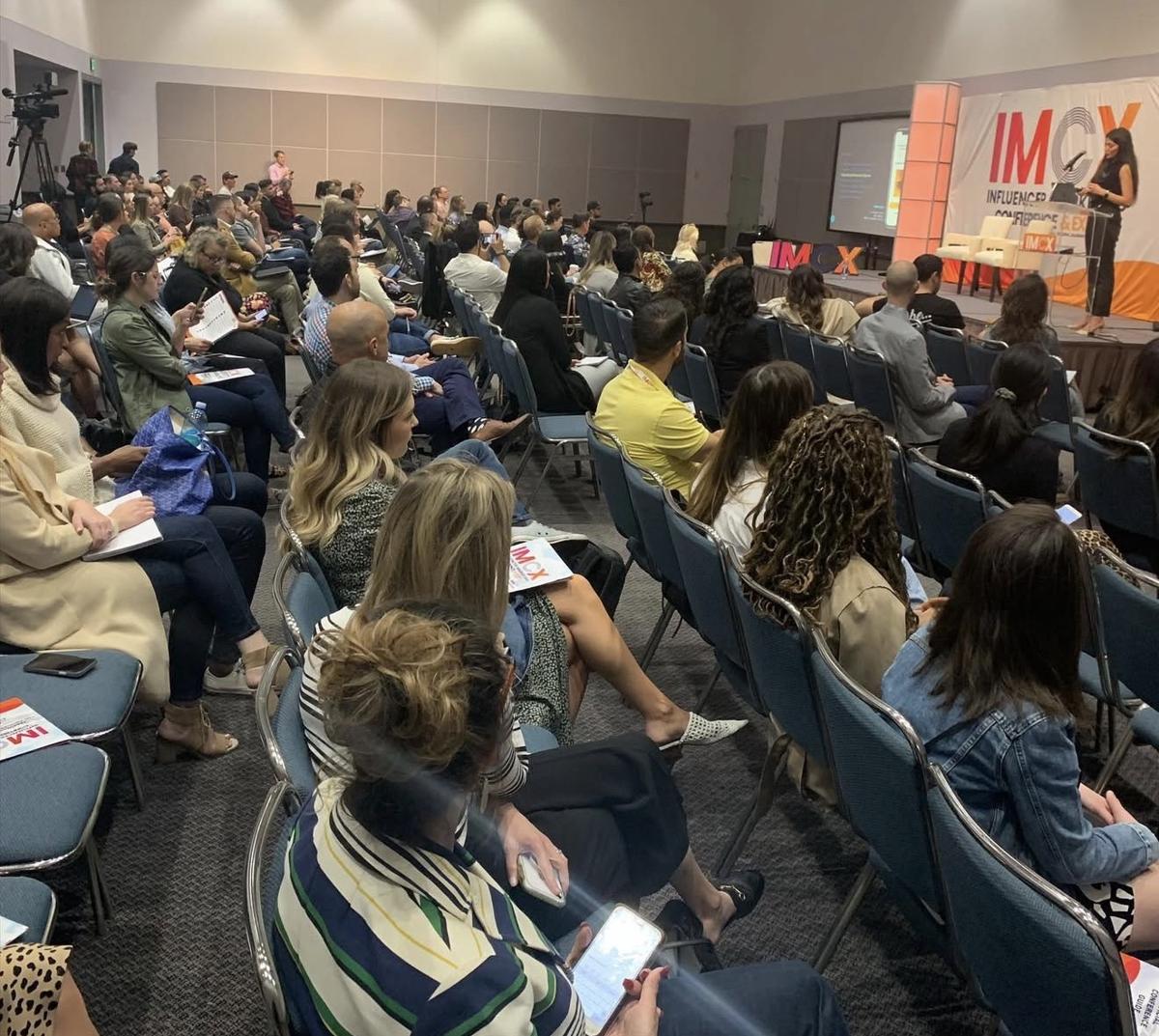
Ismail Oyekan is the Editor-in-Chief of The Creator Economy and the founder of IMCX (Influencer Marketing Conference & Expo), the premier industry gathering connecting creators, brands, and capital. Named one of the 100 Most Influential People in Influencer Marketing by Influence Weekly, he has managed over $20 million in influencer marketing budgets and worked with A-list talent including Floyd Mayweather and DJ Khaled. He is a sought-after advisor to creator economy startups.