How to Get Brand Deals in 2027: A Step-by-Step Playbook for Small Creators
You do not need a million followers to get paid by brands. Here is how small creators find, pitch, price and keep brand deals, from the media kit to the contract.
The Creator Economy
Editorial oversight by the Editor-in-Chief
Brands are spending more on creators than ever, and a growing share of that money goes to smaller accounts. Linqia's 2026 research found that 92% of marketers plan to work with micro influencers alongside larger ones, and more than half plan to work with nano creators. The opportunity is real. The challenge is getting noticed and getting paid fairly.
This playbook walks through the process step by step.
Step 1: Pick a lane brands can buy
Brands do not buy followers. They buy access to a specific audience. A creator who posts consistently about skincare for sensitive skin, home espresso or small business taxes is easier to sponsor than one who posts about everything.
Ask yourself:
- Who exactly watches my content?
- What do they buy?
- Which brands already sell to them?
If you can answer those three questions, you have a pitch.
Step 2: Make your profile sponsor-ready
Before you reach out, make sure a brand manager who lands on your page sees a professional:
- A clear bio that says what you make and who it is for
- A contact email in your bio
- Consistent posting over the last 60 to 90 days
- A few examples of content that naturally features products, even unpaid ones
Step 3: Build a one-page media kit
Your media kit should fit on one page and include:
- **Who you are** and what your content covers
- **Audience data:** followers per platform, average views, engagement rate, top locations, age and gender split
- **Results:** any past campaign results, such as clicks, code redemptions or sales
- **Deliverables and rates:** Reels, TikToks, Stories, YouTube integrations, priced separately
- **Past partners**, if you have them
Not sure what to charge? Our guide to [how much influencers charge in 2027](/post/how-much-do-influencers-charge-2027-rates-by-tier-platform) breaks down typical ranges by tier and format.
Step 4: Use the platform marketplaces
The major platforms run their own programs that connect brands and creators:
- **TikTok One**, TikTok's creator marketplace and partnership hub
- **YouTube BrandConnect**, YouTube's branded content program
- **Instagram's creator marketplace**, where brands can discover and message eligible creators
Each has its own eligibility requirements. Sign up for the ones you qualify for, and keep your profile and audience data current.
Step 5: Pitch brands directly
Most small creators wait to be discovered. The ones who get deals reach out. Start with brands you already use and genuinely like, since that authenticity shows in the content.
A simple pitch:
> Hi [Name], I'm [your name], a creator covering [niche] for an audience of [size] on [platform]. My audience is mostly [who they are], and I already use [product]. I'd love to create [specific idea] for [brand]. Last month my content averaged [views] views with a [X]% engagement rate. Media kit attached. Open to a quick call?
Keep it short, specific and about what the brand gets. Follow up once after a week.
Step 6: Lead with results, not reach
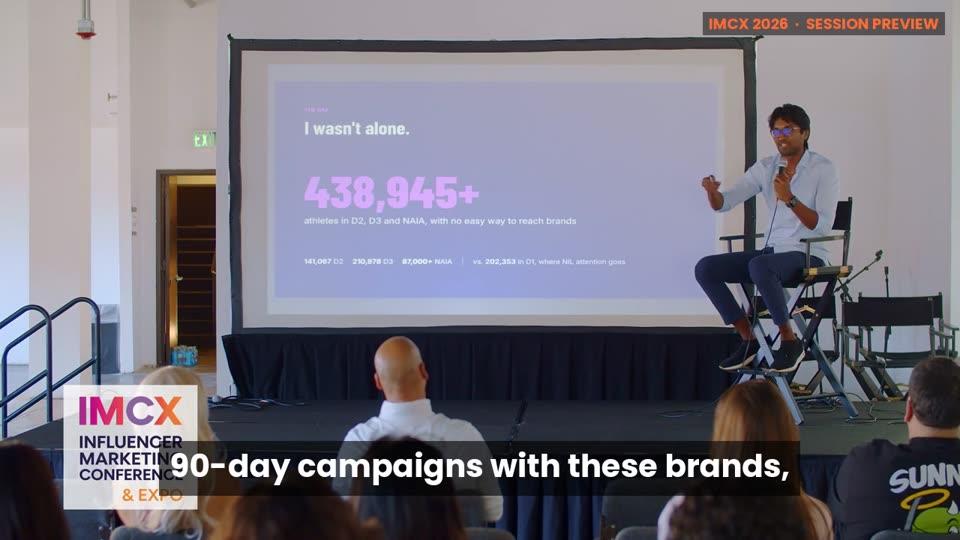
Small creators win on trust and conversion. At IMCX 2026, Dan Fleyshman explained why small accounts can still drive big reach on TikTok. [Read the recap](/post/dan-fleyshman-imcx-2026-small-accounts-tiktok-reach). Use affiliate links and discount codes to show what you can sell, then use that data in your next pitch.
Step 7: Read the contract before you sign
Before you sign, confirm:
- **Deliverables:** exactly what you will post, where and when
- **Payment terms:** amount, due date, and whether payment depends on approval
- **Usage rights:** whether the brand can reuse your content in ads, and for how long. This should cost extra.
- **Exclusivity:** whether you are blocked from working with competitors, and for how long
- **Revisions:** how many rounds of edits are included
Our recap of attorney Alex Baker's IMCX 2026 session covers the [legal risks creators overlook](/post/alex-baker-spencer-fane-imcx-2026-influencer-legal-risk).
Step 8: Disclose every paid partnership
The FTC requires clear disclosure of paid relationships. Use the platform's paid partnership label and say it plainly in the content, such as "#ad" or "Sponsored by." Disclosure protects you legally and protects the trust that makes you worth sponsoring.
Step 9: Turn one deal into a partnership
The best brand deals are repeat deals. After a campaign, send the brand a short results report with views, clicks, codes used and comments. Then propose a three-month or six-month package at a slight discount. Brands prefer creators they do not have to re-vet, and long-term deals give you predictable income.
Step 10: Show up where brands are
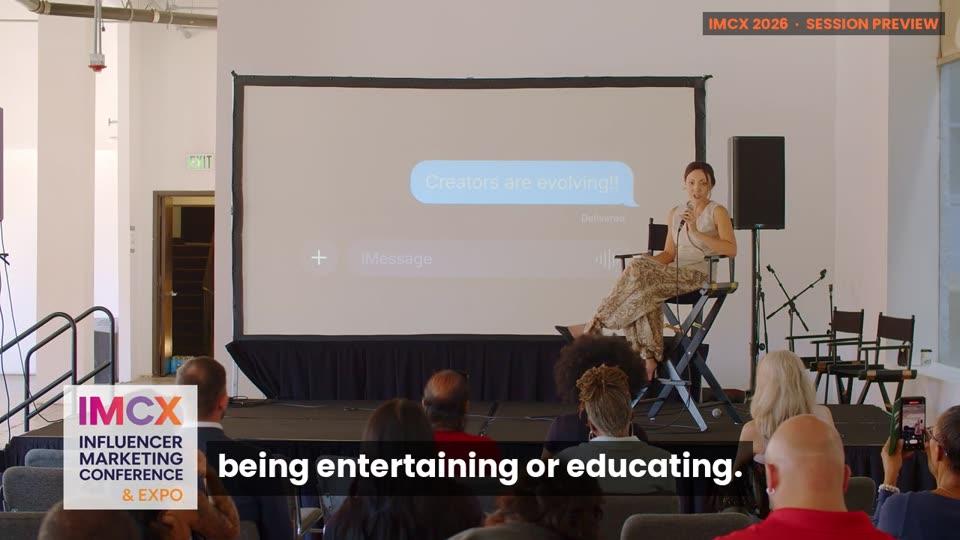
A lot of deals still start in person. Industry events put creators in the same room as the brand managers and agencies who hire them. IMCX 2027 takes place May 19-20 in Los Angeles, and over 300 free passes have already been claimed. [Claim yours](https://influencermarketingexpo.com/tickets/).
The bottom line
Brand deals go to creators who make it easy to say yes: a clear niche, a professional profile, a sharp pitch, fair rates and results to show. Start small, deliver well and build relationships, and the deals get bigger.
By The Creator Economy Editorial Team
Editorial oversight by Ismail Oyekan
Ismail Oyekan is the Editor-in-Chief of The Creator Economy and the founder of IMCX (Influencer Marketing Conference & Expo), the premier industry gathering connecting creators, brands, and capital. Named one of the 100 Most Influential People in Influencer Marketing by Influence Weekly, he has managed over $20 million in influencer marketing budgets and worked with A-list talent including Floyd Mayweather and DJ Khaled. He is a sought-after advisor to creator economy startups.