How Podcasters Turn a Show Into a Business: Lessons From the IMCX 2026 Monetization Panel
Podfest Expo founder Andrew Weiss and moderator Anika Jackson led a panel on turning a podcast or channel into a brand that drives speaking, sales and sponsorships.
The Creator Economy
Editorial oversight by the Editor-in-Chief
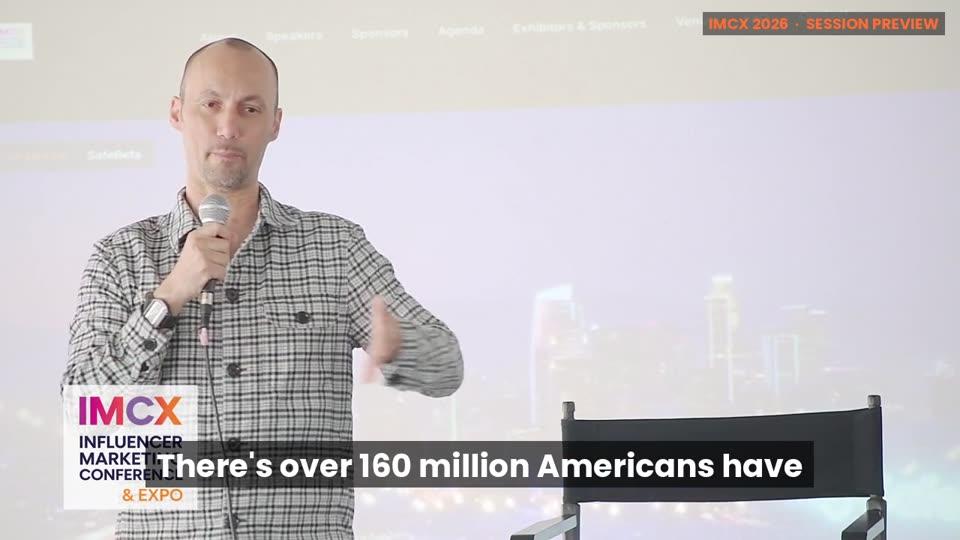
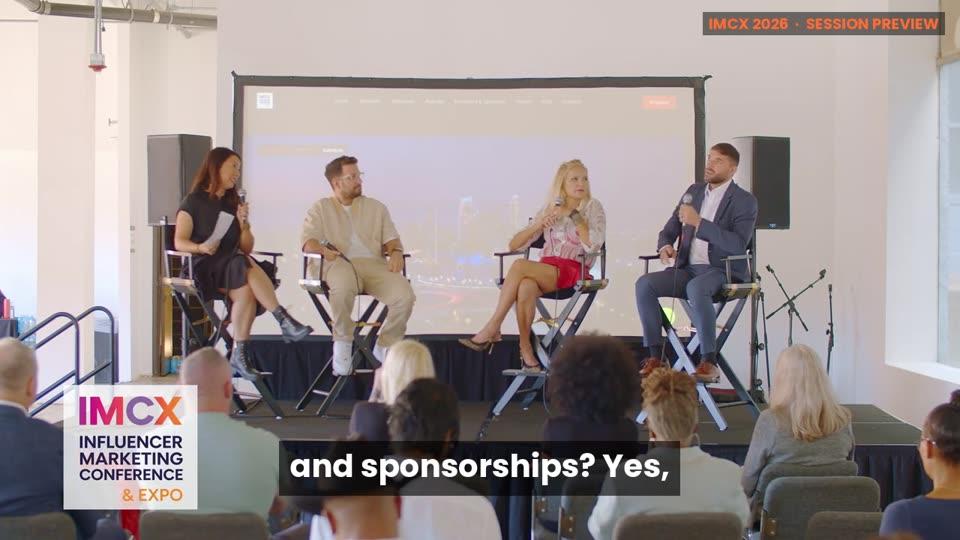
The "Content Monetization: Create, Connect, Cash Out" panel at IMCX 2026 in Los Angeles tackled a question most podcasters and creators eventually face: how do you turn an audience into a business? Moderated by Anika Jackson of Your Brand Amplified, the panel included Andrew Weiss of Podfest Expo, Elle Ullmann of MELT Music & Media Agency and Anthony Pisano of Game Over Media.
Podcasting is a long game
Weiss compared podcasting to email marketing: another channel for building an audience, and one that takes time. He pointed to the headlines about Joe Rogan's Spotify deal, then to what people overlook. "People don't recognize, he's done over 3,000 episodes," Weiss said, before asking the room how many had done more than 100 episodes, then more than 500.
His reminder, borrowed from a familiar proverb: the best time to plant a tree was 20 years ago, and the second best time is today. "Keep the long game in mind," he said, "but also always keep top of mind, okay, how can I monetize? How can I monetize?"
Monetize with what you already sell
Weiss's point was that the show should support a business. If you have a product, a service or high-ticket coaching, the podcast becomes the channel that sells it. He shared an example of a voice actor who started a podcast to get more voice-acting work, using the show to build visibility in the industry.
When does a creator become a brand?
Jackson, who said she teaches a class on podcasting for brand building at USC, asked the panel when a creator stops being "just the talent" and starts being the brand. Her students, she said, are often surprised by how much work it is, because they have to build an entire business plan and launch a show from scratch.
The panelists' answer was consistent: treat it like a business and build a team. One panelist said the creator needs to think like a business owner first and "put the right team behind them," with people covering the different parts of the business so it can scale. Another listed what goes into it: editing, content production, clipping, graphics, branding and marketing. "It's a real job," they said.
What to clip
In Q&A, the panel covered clipping and how to decide what to cut from long-form content. One panelist described working across TV, film, livestreams and music, and testing many clips to see which ones "are raising their hands within the platform," then doubling down on the clips that perform.
The takeaways
- Commit to the long game, since consistency compounds
- Tie your show to something you sell, whether a product, a service, coaching or speaking
- Build a team early so you can act like a brand, not just the talent
- Test clips widely and double down on what the platform rewards
**Watch the 1-minute preview** of this panel, and every IMCX 2026 session, at [influencermarketingexpo.com/sessions](https://influencermarketingexpo.com/sessions/). IMCX returns to Los Angeles on May 19-20, 2027, and [free registration is now open](https://influencermarketingexpo.com/tickets/).

By The Creator Economy Editorial Team
Editorial oversight by Ismail Oyekan
Ismail Oyekan is the Editor-in-Chief of The Creator Economy and the founder of IMCX (Influencer Marketing Conference & Expo), the premier industry gathering connecting creators, brands, and capital. Named one of the 100 Most Influential People in Influencer Marketing by Influence Weekly, he has managed over $20 million in influencer marketing budgets and worked with A-list talent including Floyd Mayweather and DJ Khaled. He is a sought-after advisor to creator economy startups.